
When it comes to hearty and comforting meals, lasagna takes the spotlight. But have you ever tried a vegetable lasagna? This delightful twist on the classic dish takes advantage of vibrant and nutritious vegetables to create a flavorful and satisfying meal.
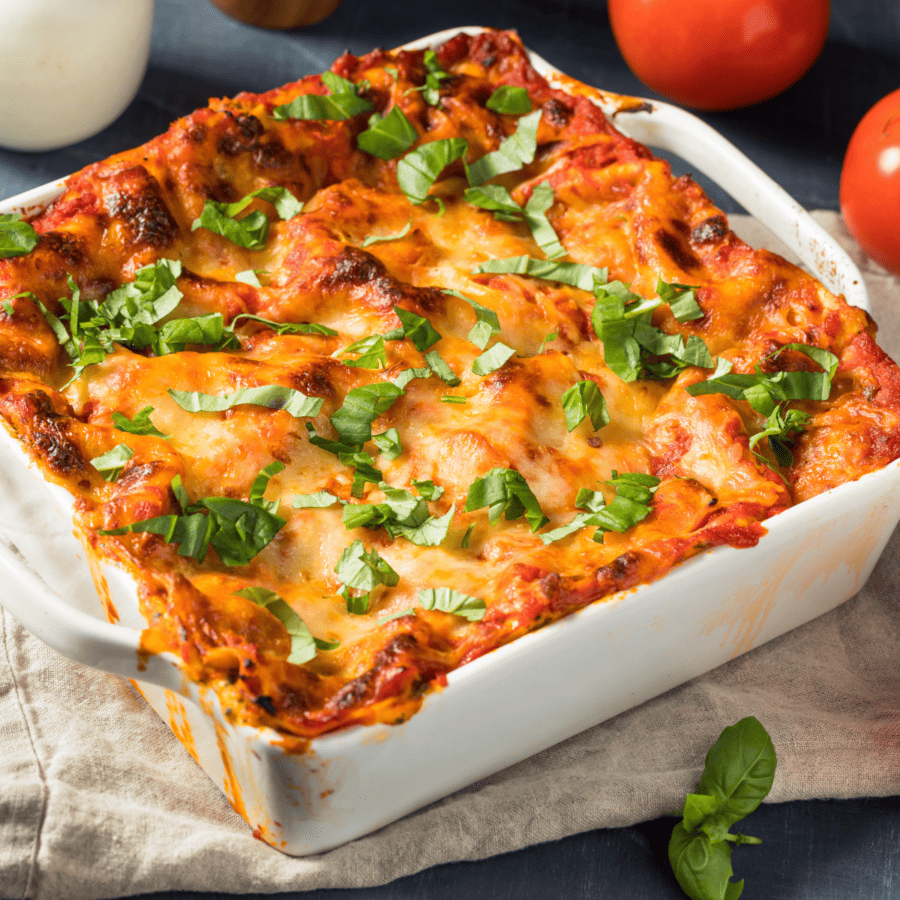
Why It’ll Make You Love Veggies
- Vegetarian.
- Delicious.
- Versatile.
What Vegetables Go In Lasagna?
Vegetable lasagna offers a wonderful opportunity to incorporate a variety of colorful and nutritious vegetables. While the choice of vegetables is ultimately up to personal preference, here are some popular options commonly used in vegetable lasagna:
- Zucchini - Zucchini adds a mild flavor and a pleasant texture to the lasagna. It cooks relatively quickly and pairs well with other vegetables.
- Yellow Squash - Yellow squash is similar to zucchini in terms of flavor and texture. Including both zucchini and yellow squash adds visual appeal to the dish.
- Eggplant - Eggplant offers a rich and meaty texture when cooked. Slicing and roasting the eggplant beforehand helps soften it and develop its unique flavor.
- Spinach - Spinach is a versatile leafy green that wilts down when cooked. It adds a pop of vibrant green color and a mild earthy taste to the lasagna.
- Mushrooms - Varieties such as cremini, button, or portobello mushrooms lend an earthy flavor and a meaty texture to the lasagna. Sautéing mushrooms before incorporating them into the dish enhances their flavor.
- Onions - Onions are a staple in many savory dishes and provide a savory and aromatic base flavor. They can be diced and sautéed before adding to the lasagna.
- Tomatoes - Fresh or canned diced tomatoes are commonly used in vegetable lasagna. They contribute acidity and moisture to the dish. Consider removing excess seeds and liquid from fresh tomatoes to prevent the lasagna from becoming too watery.
- Carrots - Carrots offer a slightly sweet taste and add a pop of orange color to the dish. Grate or thinly slice them to ensure they cook evenly with other vegetables.
- Broccoli or Cauliflower - These cruciferous vegetables bring a hearty and slightly crunchy texture to the lasagna. Chop them into small florets and blanch them briefly before adding them to the layers.
How Do You Keep Vegetable Lasagna From Being Watery?
Vegetables like zucchini, eggplant, and tomatoes release water when cooked. To minimize their contribution to excess moisture, consider salting or blotting the vegetables before cooking. Sprinkle them with a pinch of salt and let them sit for a few minutes to draw out some moisture. Blot the excess moisture with paper towels before adding them to the lasagna.
Since you’re using ricotta and other cheeses with high moisture content, make sure they are not too wet. Drain any excess liquid before incorporating them into the dish.
Ingredients
- Lasagna Noodles
- Olive Oil
- Onion
- Garlic
- Zucchini
- Yellow Squash
- Eggplant
- Mushrooms
- Spinach
- Diced Tomatoes
- Tomato Paste
- Italian Seasoning
- Salt and Pepper
- Ricotta Cheese
- Egg
- Parmesan Cheese
- Mozzarella Cheese
How To Make Vegetable Lasagna
- Prepare the Vegetables. Preheat your oven to 375F. In a large skillet, heat olive oil over medium heat. Add the diced onion and minced garlic, and sauté until fragrant and translucent. Add the zucchini, yellow squash, eggplant, and mushrooms. Sauté for about 5 minutes, until the vegetables start to soften. Add the spinach leaves and cook until wilted. Season with salt, pepper, and dried Italian seasoning. Remove from heat and set aside.
- Cook the Lasagna Noodles. Bring a large pot of salted water to a boil. Cook the lasagna noodles according to the package instructions until al dente. Drain and set aside. To prevent the noodles from sticking together, you can lay them out in a single layer on a sheet of parchment or wax paper.
- Prepare the Tomato Sauce. In a bowl, combine the diced tomatoes and tomato paste. Season with salt, pepper, and dried Italian seasoning. Mix well to combine and set aside.
- Prepare the Cheese Filling. In a separate bowl, combine the ricotta cheese, beaten egg, and grated Parmesan cheese. Mix well until thoroughly combined. Season with salt and pepper to taste.
- Assemble the Vegetable Lasagna. In a greased 9x13-inch baking dish, spread a thin layer of tomato sauce on the bottom. Arrange three lasagna noodles on top of the sauce, slightly overlapping them. Spread a layer of the vegetable mixture on top of the noodles, followed by a layer of the ricotta cheese mixture. Repeat the layers until all the ingredients are used, finishing with a layer of tomato sauce. Sprinkle the shredded mozzarella cheese evenly over the top.
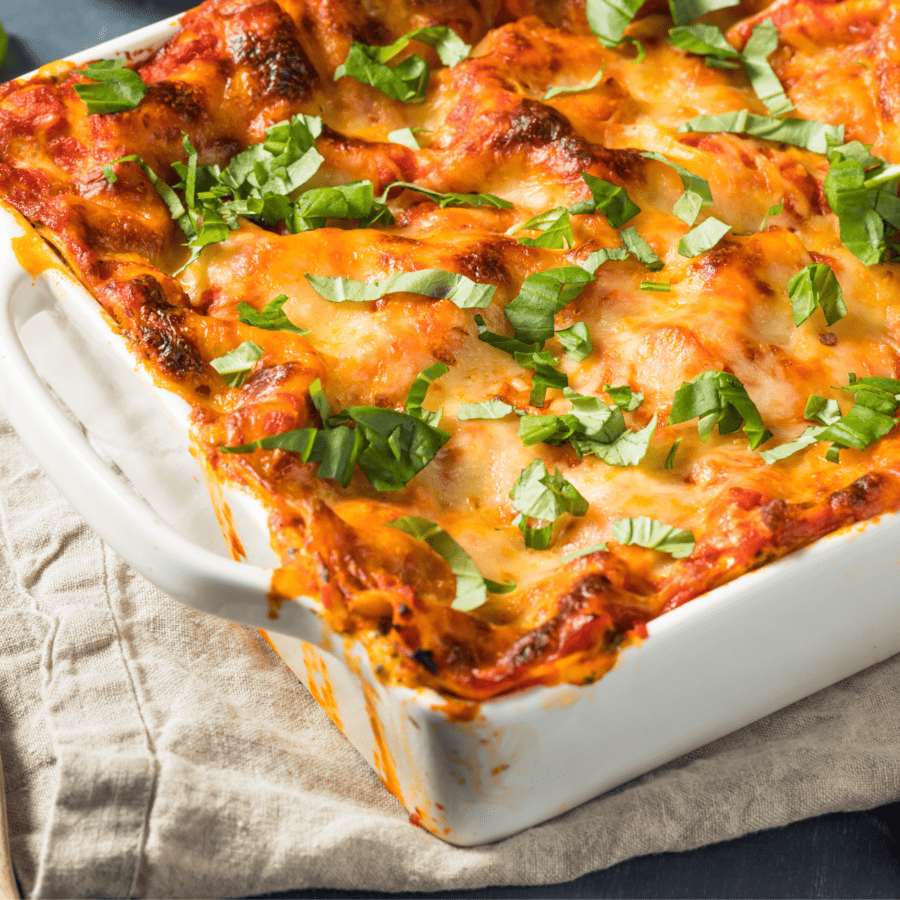
- Bake and Garnish. Cover the baking dish with foil and bake in the preheated oven for 25 minutes. Then, remove the foil and bake for an additional 15-20 minutes, or until the cheese is golden and bubbly. Remove from the oven and let it cool for a few minutes before serving. Garnish with fresh basil or parsley for a pop of freshness and color.
Tips And Tricks
- Choose Quality Marinara Sauce. If you’re using premade marinara sauce, select a high-quality brand with good flavor. Taste and adjust the sauce to your liking by adding additional herbs or spices if desired. This helps elevate the overall taste of the lasagna.
- Allow for Resting Time. Once the lasagna is baked, allow it to rest for about 10-15 minutes before serving. This helps the lasagna set and makes it easier to slice and serve.
- Adjust Baking Time and Temperature. Follow the recommended baking time and temperature in the recipe, but keep in mind that ovens may vary. Keep an eye on the lasagna as it bakes and adjust the time or temperature if necessary to ensure it cooks evenly and doesn’t become overly browned.
Remember, cooking is a creative process, so feel free to experiment and make adjustments based on your preferences. With these tips and tricks, you’ll be on your way to creating a delicious and flavorful vegetable lasagna that will impress your family and friends.
Variations
- Roasted Vegetable Lasagna - Instead of sautéing the vegetables, roast them in the oven before layering them into the lasagna. Roasting brings out the natural sweetness and intensifies the flavors of the vegetables. Drizzle the vegetables with olive oil, sprinkle with salt, pepper, and herbs, and roast until tender and slightly caramelized.
- Mediterranean-Inspired Lasagna - Give your lasagna a Mediterranean twist by adding ingredients like roasted red peppers, sun-dried tomatoes, Kalamata olives, and crumbled feta cheese. These ingredients infuse the dish with tangy and savory flavors that perfectly complement the vegetables.
- Vegan Vegetable Lasagna - Create a vegan-friendly version by omitting the dairy products and replacing them with plant-based alternatives. Use dairy-free ricotta or tofu ricotta for the cheese layer, and opt for a vegan-friendly marinara sauce. You can also experiment with plant-based cheese substitutes, such as vegan mozzarella or nutritional yeast.
Feel free to mix and match these variations or create your own unique combinations based on your preferences. The versatility of vegetable lasagna allows for endless experimentation and creativity.
What To Serve With It
- Garlic Bread or Breadsticks - Serve warm, crusty garlic bread or breadsticks on the side. The soft bread and garlic flavors perfectly complement the flavors of the lasagna.
- Mixed Green Salad - Prepare a fresh mixed green salad with a variety of lettuces, cherry tomatoes, cucumbers, and your choice of additional vegetables. Drizzle it with a tangy vinaigrette dressing for a refreshing and crisp side dish.
- Sautéed Greens - Cook a side of sautéed greens like Swiss chard, kale, or spinach. Sauté them with garlic and olive oil for added flavor and nutrition. The greens provide a healthy and vibrant component to balance the richness of the lasagna.
- Red Wine - Consider serving a bottle of red wine such as a Chianti, Sangiovese, or Cabernet Sauvignon. The rich flavors and tannins of the red wine complement the hearty flavors of the lasagna.
This vegetable lasagna is a great budget friendly recipe! If you want more ways to stretch your grocery budget, try Vegetable Fried Rice , Vegetarian Chili , or Ground Beef Casserole .
How Long Does It Last?
When properly stored, vegetable lasagna can last for a few days in the refrigerator. Here are some guidelines for storing and enjoying vegetable lasagna:
- Allow the lasagna to cool down slightly before refrigerating it. It’s best to refrigerate it within 2 hours of baking.
- Cover the baking dish tightly with plastic wrap or aluminum foil, or transfer the lasagna to an airtight container.
- Store the vegetable lasagna in the refrigerator for up to 3 to 4 days.
Can You Freeze It?
If you want to extend the shelf life of your vegetable lasagna, you can freeze it. Here are a few tips on how to keep it tasting delicious when freezing it for later:
- After baking, allow the lasagna to cool completely before freezing.
- Wrap individual portions or the entire dish tightly with plastic wrap and then with aluminum foil, or place it in a freezer-safe container or freezer bags.
- Make sure it is well-sealed to prevent freezer burn.
- Vegetable lasagna can be frozen for up to 2 to 3 months.
To thaw a frozen vegetable lasagna, transfer it from the freezer to the refrigerator and let it thaw overnight. Once thawed, you can reheat the lasagna in a preheated oven at 350F for about 20-25 minutes or until heated through.
More Lasagna Variations
- Instant Pot Lasagna
- Keto Lasagna
- Skillet Lasagna
- Lasagna Roll Ups
- Zucchini Roll Ups
- Mexican Lasagna
- Chicken Lasagna
Vegetable Lasagna | Vegetarian Lasagna Recipe
Ingredients
- ▢ 9 lasagna noodles
- ▢ 2 tbsp olive oil
- ▢ 1/2 cup Onion , diced
- ▢ 2 tbsp Garlic , minced
- ▢ 1 cup Zucchini , diced
- ▢ 1 cup Yellow Squash , diced
- ▢ 1 cup Eggplant , diced
- ▢ 1 cup mushrooms
- ▢ 1 cup Spinach
- ▢ 1/4 cup tomato paste
- ▢ 15 oz diced tomatoes
- ▢ 1 tbsp italian seasoning
- ▢ 1 tsp salt
- ▢ 1/2 tsp black pepper
- ▢ 15 oz ricotta
- ▢ 1 egg
- ▢ 1 cup parmesan cheese
- ▢ 2 cups mozzarella cheese
Instructions
- Prepare the Vegetables. Preheat your oven to 375F. In a large skillet, heat olive oil over medium heat. Add the diced onion and minced garlic, and sauté until fragrant and translucent. Add the zucchini, yellow squash, eggplant, and mushrooms. Sauté for about 5 minutes, until the vegetables start to soften. Add the spinach leaves and cook until wilted. Season with salt, pepper, and dried Italian seasoning. Remove from heat and set aside.
- Cook the Lasagna Noodles. Bring a large pot of salted water to a boil. Cook the lasagna noodles according to the package instructions until al dente. Drain and set aside. To prevent the noodles from sticking together, you can lay them out in a single layer on a sheet of parchment or wax paper.
- Prepare the Tomato Sauce. In a bowl, combine the diced tomatoes and tomato paste. Season with salt, pepper, and dried Italian seasoning. Mix well to combine and set aside.
- Prepare the Cheese Filling. In a separate bowl, combine the ricotta cheese, beaten egg, and grated Parmesan cheese. Mix well until thoroughly combined. Season with salt and pepper to taste.
- Assemble the Vegetable Lasagna. In a greased 9x13-inch baking dish, spread a thin layer of tomato sauce on the bottom. Arrange three lasagna noodles on top of the sauce, slightly overlapping them. Spread a layer of the vegetable mixture on top of the noodles, followed by a layer of the ricotta cheese mixture. Repeat the layers until all the ingredients are used, finishing with a layer of tomato sauce. Sprinkle the shredded mozzarella cheese evenly over the top.
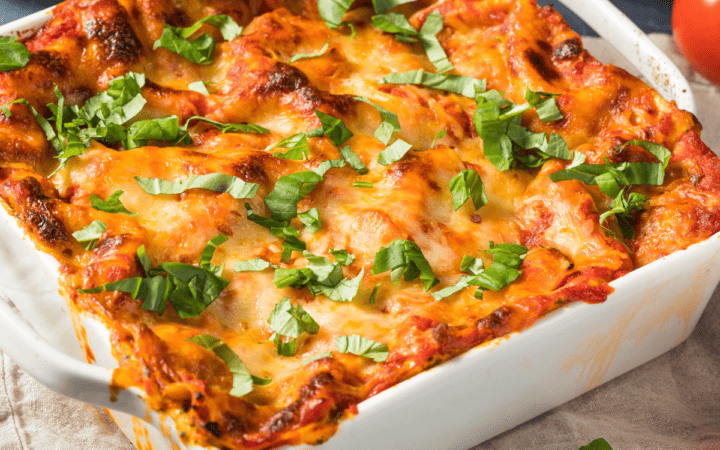
- Bake and Garnish. Cover the baking dish with foil and bake in the preheated oven for 25 minutes. Then, remove the foil and bake for an additional 15-20 minutes, or until the cheese is golden and bubbly. Remove from the oven and let it cool for a few minutes before serving. Garnish with fresh basil or parsley for a pop of freshness and color.
Get support & connect with our community on Facebook!
Nutrition
And don’t forget to check out my air fryer cookbooks! Every day easy air fryer , and Air Fryer Revolution .
If you already signed up, you should have received an email with a password to give you unlimited access to our FREE Printable Library. The password is case sensitive. Enter it below and get printing!
Password:

Vegetable Lasagna | Vegetarian Lasagna Recipe
Ingredients
- 9 lasagna noodles
- 2 tbsp olive oil
- 1/2 cup Onion diced
- 2 tbsp Garlic minced
- 1 cup Zucchini diced
- 1 cup Yellow Squash diced
- 1 cup Eggplant diced
- 1 cup mushrooms
- 1 cup Spinach
- 1/4 cup tomato paste
- 15 oz diced tomatoes
- 1 tbsp italian seasoning
- 1 tsp salt
- 1/2 tsp black pepper
- 15 oz ricotta
- 1 egg
- 1 cup parmesan cheese
- 2 cups mozzarella cheese
Instructions
- Prepare the Vegetables. Preheat your oven to 375F. In a large skillet, heat olive oil over medium heat. Add the diced onion and minced garlic, and sauté until fragrant and translucent. Add the zucchini, yellow squash, eggplant, and mushrooms. Sauté for about 5 minutes, until the vegetables start to soften. Add the spinach leaves and cook until wilted. Season with salt, pepper, and dried Italian seasoning. Remove from heat and set aside.
- Cook the Lasagna Noodles. Bring a large pot of salted water to a boil. Cook the lasagna noodles according to the package instructions until al dente. Drain and set aside. To prevent the noodles from sticking together, you can lay them out in a single layer on a sheet of parchment or wax paper.
- Prepare the Tomato Sauce. In a bowl, combine the diced tomatoes and tomato paste. Season with salt, pepper, and dried Italian seasoning. Mix well to combine and set aside.
- Prepare the Cheese Filling. In a separate bowl, combine the ricotta cheese, beaten egg, and grated Parmesan cheese. Mix well until thoroughly combined. Season with salt and pepper to taste.
- Assemble the Vegetable Lasagna. In a greased 9x13-inch baking dish, spread a thin layer of tomato sauce on the bottom. Arrange three lasagna noodles on top of the sauce, slightly overlapping them. Spread a layer of the vegetable mixture on top of the noodles, followed by a layer of the ricotta cheese mixture. Repeat the layers until all the ingredients are used, finishing with a layer of tomato sauce. Sprinkle the shredded mozzarella cheese evenly over the top.
- Bake and Garnish. Cover the baking dish with foil and bake in the preheated oven for 25 minutes. Then, remove the foil and bake for an additional 15-20 minutes, or until the cheese is golden and bubbly. Remove from the oven and let it cool for a few minutes before serving. Garnish with fresh basil or parsley for a pop of freshness and color.
Vegetable Lasagna | Vegetarian Lasagna Recipe https://twosleevers.com/vegetable-lasagna/

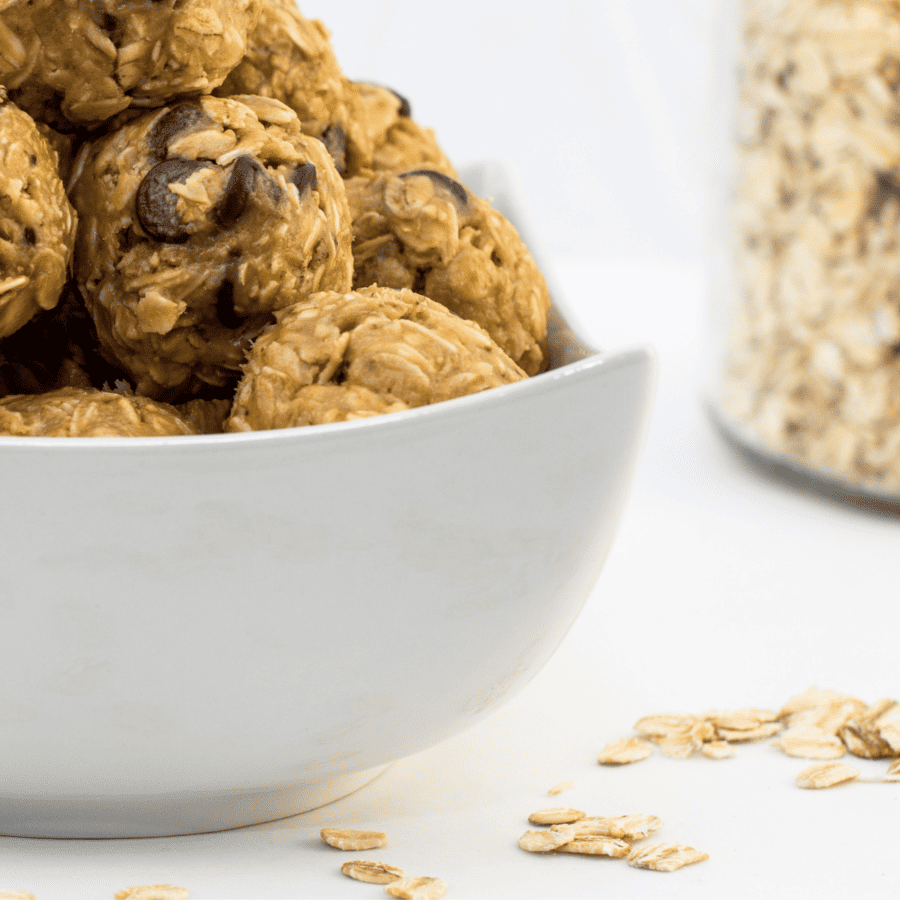
If you’re a fan of the classic combo of peanut butter and chocolate, get ready to indulge in a healthier way. Today, we’re sharing our recipe for Protein Peanut Butter Balls. These bite-sized treats are not only delicious but also packed with protein, making them a guilt-free snack or dessert option.
Why This Will Be Your New Favorite Snack
- Protein-Packed- With protein powder as one of the key ingredients, these peanut butter balls are a great way to satisfy your sweet tooth while getting an extra protein boost.
- Easy to Make - This recipe is incredibly simple, requiring just a handful of ingredients and minimal prep time.
- No-Bake - No need to turn on the oven for this one! These peanut butter balls come together without any baking, making them perfect for hot summer days when you don’t want to heat up the kitchen.
- Customizable - You can get creative with add-ins like chocolate chips, chopped nuts, or dried fruit to tailor these treats to your taste.
Can You Make Peanut Butter Balls With No Butter?
Yes, you can make peanut butter balls without butter. Peanut butter balls are a versatile treat, and there are many recipes that don’t use traditional butter (like this one!) but still yield delicious results.
Why Are My Peanut Butter Balls Too Soft?
If your peanut butter balls are turning out too soft, it could be due to a few reasons. Here are some common factors that can contribute to soft peanut butter balls and how to address them:
- Peanut Butter Consistency- The type and consistency of peanut butter you use can significantly impact the texture. Natural peanut butter, which tends to be runnier and has a thinner consistency, can make the mixture softer. To counter this, try using a peanut butter that is thicker or has less oil separation.
- Too Much Liquid - If you’ve added too much liquid to your mixture, it can make the balls soft. This liquid can come from ingredients like honey or maple syrup. To remedy this, adjust the amount of liquid you add or increase the dry ingredients (e.g., oats, and protein powder) to balance the consistency.
- Refrigeration - Proper chilling is essential. If you don’t refrigerate them long enough, they may not firm up properly. Typically, they should be chilled in the refrigerator for at least 30 minutes to an hour before shaping into balls.
Ingredients You’ll Need
- Creamy Peanut Butter
- Protein Powder
- Quick Oats
- Honey
- Dark Chocolate Chips
- Shredded Coconut
- Salt
These Peanut Butter Balls are a fantastic snack option when you need a quick energy boost or a post-workout recovery treat. Plus, you can customize them with your favorite protein powder flavor and add-ins for a snack that suits your taste buds.
How To Make Peanut Butter Balls
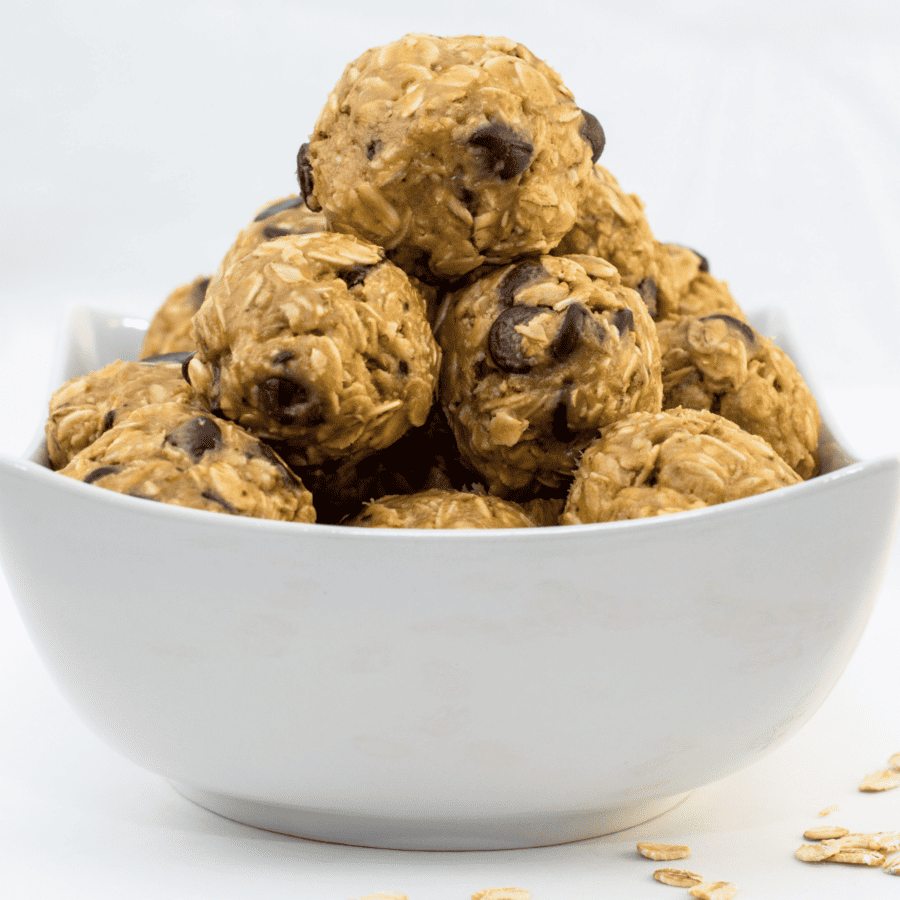
- Combine Ingredients . In a large mixing bowl, combine the creamy peanut butter, protein powder, honey or maple syrup, and a pinch of salt. Stir until the mixture becomes well combined and forms a thick, dough-like consistency.
- Add Optional Mix-Ins . If you’re using chocolate chips or shredded coconut (or any other mix-ins of your choice), fold them into the peanut butter mixture until they’re evenly distributed.
- Shape the Balls . Take small portions of the mixture and roll them between your palms to form bite-sized balls. You can make them as big or small as you like. Place each ball on a parchment paper-lined tray or plate.
- Chill . Once all the balls are shaped, place them in the refrigerator for about 15-20 minutes. Chilling helps them set and become firmer.
- Enjoy! Once the protein peanut butter balls have chilled, they’re ready to enjoy. Store any leftovers in an airtight container in the refrigerator for longer shelf life.
Tips And Tricks
Making protein peanut butter balls is a delightful way to satisfy your sweet cravings while adding a dose of protein to your diet. Here are some tips and tricks to help you make them perfect every time:
- Sweeteners and Flavors - Adjust the sweetness to your preference by adding honey, maple syrup, or a sugar substitute like stevia. Enhance the flavor with vanilla extract, cocoa powder, cinnamon, or other spices that complement the taste of peanut butter.
- Consistent Ball Size - Use a cookie scoop or your hands to portion the mixture into evenly sized balls. This ensures they all cook and chill at the same rate.
- Non-Stick Hands- Rub your hands with a small amount of coconut oil or water to prevent the mixture from sticking to your hands when rolling the balls.
Variations
Feel free to get creative with your Protein Peanut Butter Balls. Here are some ideas:
- Chocolate Lover’s Dream - Coat the balls in melted dark chocolate for a decadent twist.
- Nutty Crunch - Add chopped nuts like almonds, peanuts, or cashews to the mixture for extra crunch and flavor.
- Fruity Delight - Incorporate dried fruits like cranberries, raisins, or chopped dates for a sweet and chewy contrast.
- Spice It Up - A pinch of cinnamon or a dash of vanilla extract can add delightful warmth to the flavor.
How Long Do They Last?
If you keep your protein balls in an airtight container in the refrigerator, they should stay fresh for about 1 to 2 weeks.
Make sure the container is well-sealed to prevent them from drying out or absorbing any odors from the fridge.
Can You Freeze Them?
For longer-term storage, you can freeze protein peanut butter balls. Place them on a baking sheet and freeze until they’re firm. Then transfer them to an airtight container or a freezer bag, separating layers with parchment paper to prevent sticking.
Frozen protein peanut butter balls can last for up to 2 to 3 months.
More Simple Dessert Recipes
- No Bake Peanut Butter Bars
- Protein Pudding
- Cheesecake Dip
- Keto Cookie Dough Bites
- Low Carb Brownies

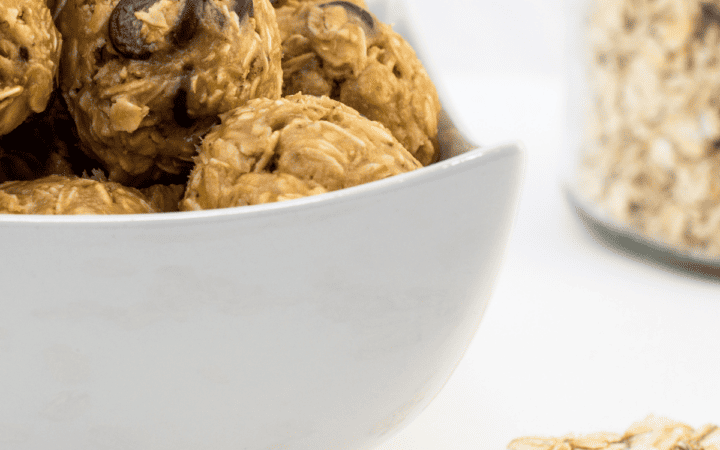
Peanut Butter Balls Recipe | Peanut Butter Protein Balls
Ingredients
- ▢ 1/2 cup Peanut Butter
- ▢ 2 tbsp Protein Powder
- ▢ 1 cup Quick Oats
- ▢ 1/3 cup Honey
- ▢ 1/2 cup Dark Chocolate Chips
- ▢ 1/2 cup Shredded Coconut
- ▢ 1 tsp Salt
Instructions
- Combine Ingredients . In a large mixing bowl, combine the creamy peanut butter, protein powder, honey or maple syrup, and a pinch of salt. Stir until the mixture becomes well combined and forms a thick, dough-like consistency.
- Add Optional Mix-Ins . If you’re using chocolate chips or shredded coconut (or any other mix-ins of your choice), fold them into the peanut butter mixture until they’re evenly distributed.
- Shape the Balls . Take small portions of the mixture and roll them between your palms to form bite-sized balls. You can make them as big or small as you like. Place each ball on a parchment paper-lined tray or plate.
- Chill . Once all the balls are shaped, place them in the refrigerator for about 15-20 minutes. Chilling helps them set and become firmer.
- Enjoy! Once the protein peanut butter balls have chilled, they’re ready to enjoy. Store any leftovers in an airtight container in the refrigerator for longer shelf life.
