
If you’re searching for a satisfying, hearty dish that fits your plant-based lifestyle, you’re in the right place. These Vegan Meatballs are savory, packed with protein, and hold together beautifully. No eggs or dairy required.

Why You’ll Love This Magnificent Meatless Recipe
- Wholesome. Made with nourishing ingredients like lentils, oats, and mushrooms. Flavorful. Seasoned with garlic, herbs, and a touch of umami from nutritional yeast or soy sauce. Versatile. Perfect for pasta night, meal prep, or meatball subs. Easy to Make. Simple steps, no fancy equipment, and ready in under an hour.
Whether you’re serving them with pasta, in a sub sandwich, or as an appetizer with dipping sauce, this recipe is sure to please vegans and non-vegans alike.
What Do Vegan Meatballs Taste Like?
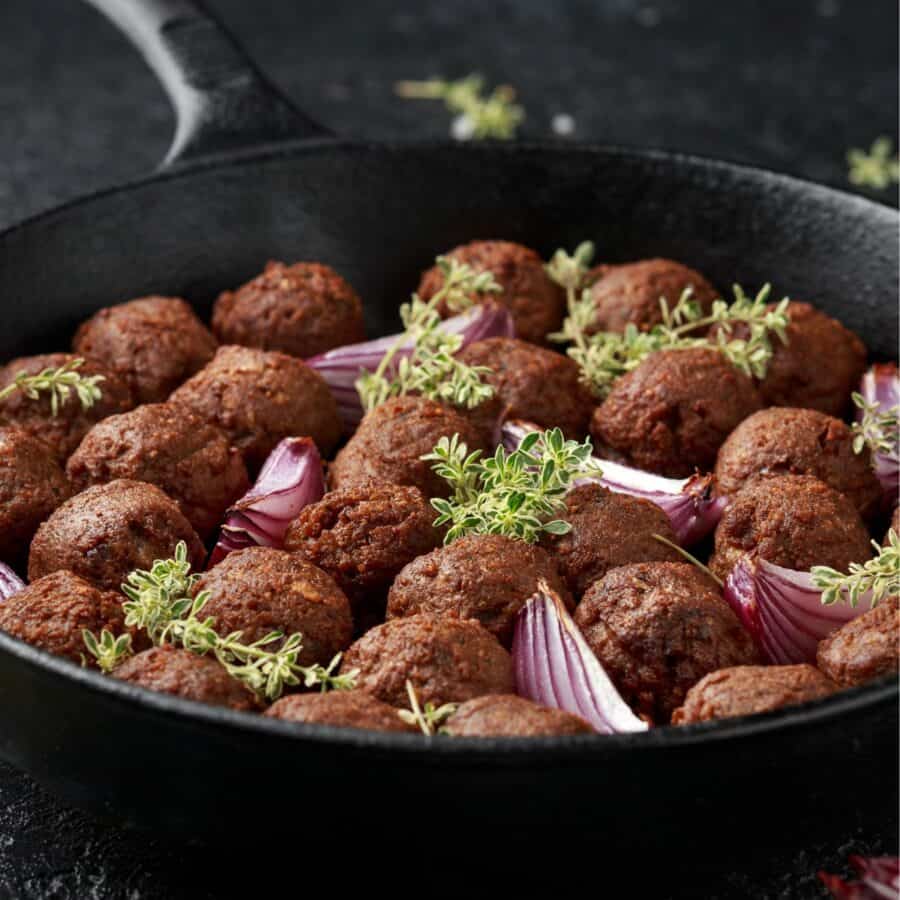
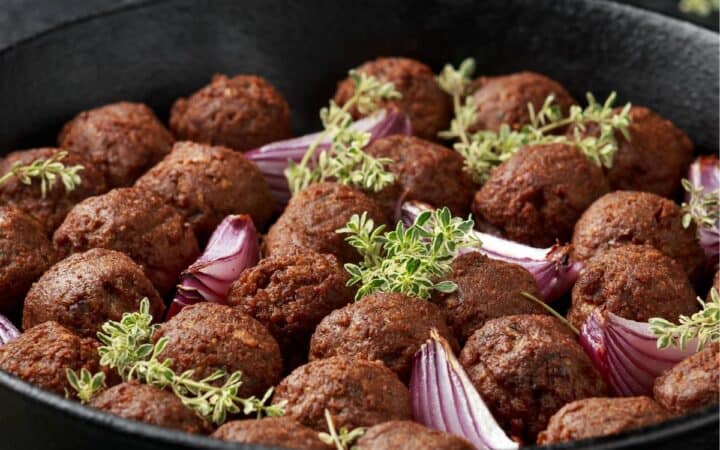
These vegan meatballs are a favorite among plant-based eaters and omnivores alike. They’re tender on the inside, slightly crisp on the outside, and hold up well in sauces.
Plus, they’re packed with protein and fiber, making them as nutritious as they are delicious.
Ingredients You’ll Need
- Cooked Lentils - These form the hearty, protein-rich base of the meatballs. They provide bulk and texture, mimicking the chew of traditional meat while keeping the recipe plant-based.
- Mushrooms - Add rich umami depth and natural moisture. When sautéed, mushrooms help balance the density of the lentils and enhance savory flavor.
- Onion & Garlic - Essential aromatics that build a flavorful foundation. They add depth, complexity, and a comforting savory note to the mixture.
- Rolled Oats - Used to help bind the mixture together and add structure. They also absorb excess moisture, preventing the meatballs from falling apart.
- Panko Breadcrumbs - Contribute to the firm, slightly crumbly texture expected in a meatball. They work with oats to ensure the meatballs hold their shape during cooking.
- Ground Flaxseed + Water - This acts as a plant-based egg substitute. When mixed with water, flaxseed gels and binds the ingredients, preventing them from crumbling.
- Soy Sauce or Tamari - Adds salinity and umami to boost the savory quality of the meatballs. Tamari is a gluten-free option with a slightly richer taste.
- Nutritional Yeast - Optional, but it introduces a subtle cheesy flavor and boosts the umami profile without dairy.
- Italian Seasoning - A blend of herbs like oregano, basil, and thyme that gives the meatballs their classic Italian flavor.
- Salt & Pepper - Simple but essential seasonings that enhance the overall taste and help balance all the other ingredients.
- Olive Oil (optional) - Used for sautéing and/or baking, it helps create a golden-brown exterior and adds richness to the finished meatballs.
How To Make Vegan Meatballs
- Sauté the Vegetables. In a skillet, heat a little olive oil. Add chopped mushrooms, onions, and garlic. Cook until softened and most of the moisture has evaporated, about 6–8 minutes.
- Make the Flax Egg. In a small bowl, combine ground flaxseed with water. Let sit for 5–10 minutes to gel.
- Mix the Meatballs. In a food processor, combine the sautéed vegetables, cooked lentils, oats, breadcrumbs, flax egg, soy sauce, and seasonings. Pulse until well mixed but not completely smooth. You want a bit of texture.
- Form the Meatballs. Use your hands or a small scoop to form the mixture into 1.5-inch balls.
- Cook the Meatballs. You can either: Bake at 400°F for 25–30 minutes, flipping halfway, or Pan-fry in a bit of olive oil over medium heat until browned on all sides.
- Serve. Serve with marinara sauce and pasta, on hoagie rolls with melted vegan cheese, or as cocktail meatballs with toothpicks.
Tips And Tricks
If you’re aiming for perfectly textured, flavorful vegan meatballs every time, a few simple tips and tricks can make all the difference. Here’s how to elevate your plant-based meatball game:
- Don’t skip the sauté. Cooking the mushrooms and onions before mixing enhances their flavor and helps with texture.
- Use a food processor. It helps create a uniform texture, but avoid over-blending or they may become mushy.
- Chill before cooking. If your mixture feels soft, chill for 30 minutes to help them firm up before baking or frying.
- Double the batch. These freeze beautifully and are perfect for meal prep.
Variations
If you’re looking to change things up or tailor your vegan meatballs to different tastes or dietary needs, there are plenty of delicious variations to try. Here are some creative ways to customize them:
- Gluten-Free - Use gluten-free oats and breadcrumbs, and ensure your soy sauce or tamari is gluten-free.
- Spicy - Add red pepper flakes or a splash of hot sauce to the mix.
- Cheesy - Add vegan parmesan or more nutritional yeast for a richer flavor.
- BBQ Meatballs - Skip the marinara and toss them in your favorite BBQ sauce instead.
What To Eat With Vegan Meatballs
Vegan meatballs are incredibly versatile and pair beautifully with a wide range of dishes, from classic comfort foods to fresh, vibrant sides. Here are some delicious ideas for what to eat with them:
- Spaghetti or Linguine - The classic pairing. Toss your favorite pasta with marinara or arrabbiata sauce and top with vegan meatballs for a hearty, Italian-inspired meal.
- Zoodles or Spaghetti Squash - For a low-carb or gluten-free twist, serve meatballs over spiralized zucchini or roasted spaghetti squash with tomato sauce.
- Mashed Potatoes - A cozy, comforting option. Pour mushroom gravy or a vegan brown sauce over everything for the ultimate comfort food.
- Rice or Quinoa - Serve over a bed of whole grains with roasted veggies or a Mediterranean sauce like tahini or chimichurri.
- Sub Sandwiches - Pile vegan meatballs into a toasted hoagie roll with marinara sauce and vegan cheese for a delicious meatball sub.
How Long Do They Last?
Once cooked, vegan meatballs will keep in an airtight container in the refrigerator for 3 to 4 days. Reheat your leftovers gently in the oven, skillet, or microwave.
Can You Freeze Them?
Yes! These meatballs freeze wonderfully. Here’s how to freeze them no matter how you choose to prepare them:
- Before Cooking - Freeze raw, uncooked meatballs on a baking sheet until solid. Transfer to a freezer-safe bag and freeze for up to 3 months.
- After Cooking - Let them cool completely, then freeze. Reheat directly from frozen in the oven or a skillet until warmed through.
More Vegan Mains
- Slow Cooker Chana Masala
- Instant Pot Black Beans And Rice
- Keto Buffalo Cauliflower
- Dal Makhani
- Edamame Salad with Quinoa
Vegan Meatballs | Easy Plant-Based Meatballs
Ingredients
- ▢ 1 cup Cooked Lentils
- ▢ 1 cup Mushrooms , chopped
- ▢ 1/2 cup Onion , finely diced
- ▢ 2 cloves Garlic , minced
- ▢ 1/2 cup Rolled Oats
- ▢ 1/2 cup Panko Breadcrumbs
- ▢ 1 tbsp Ground Flaxseed
- ▢ 2 1/2 tbsp Water
- ▢ 1 tbsp Soy Sauce
- ▢ 2 tbsp Nutritional Yeast
- ▢ 1 1/2 tsp Italian Seasoning
- ▢ 1/2 tsp Kosher Salt
- ▢ 1/4 tsp Ground Black Pepper
- ▢ 1 tbsp Olive Oil
Instructions
- Sauté the Vegetables. In a skillet, heat a little olive oil. Add chopped mushrooms, onions, and garlic. Cook until softened and most of the moisture has evaporated, about 6–8 minutes.
- Make the Flax Egg. In a small bowl, combine ground flaxseed with water. Let sit for 5–10 minutes to gel.
- Mix the Meatballs. In a food processor, combine the sautéed vegetables, cooked lentils, oats, breadcrumbs, flax egg, soy sauce, and seasonings. Pulse until well mixed but not completely smooth. You want a bit of texture.
- Form the Meatballs. Use your hands or a small scoop to form the mixture into 1.5-inch balls.
- Cook the Meatballs. You can either: Bake at 400°F for 25–30 minutes, flipping halfway, or Pan-fry in a bit of olive oil over medium heat until browned on all sides.
- Serve. Serve with marinara sauce and pasta, on hoagie rolls with melted vegan cheese, or as cocktail meatballs with toothpicks.
Get support & connect with our community on Facebook!
Nutrition
If you already signed up, you should have received an email with a password to give you unlimited access to our FREE Printable Library. The password is case sensitive. Enter it below and get printing!
Password:

Vegan Meatballs | Easy Plant-Based Meatballs
Ingredients
- 1 cup Cooked Lentils
- 1 cup Mushrooms chopped
- 1/2 cup Onion finely diced
- 2 cloves Garlic minced
- 1/2 cup Rolled Oats
- 1/2 cup Panko Breadcrumbs
- 1 tbsp Ground Flaxseed
- 2 1/2 tbsp Water
- 1 tbsp Soy Sauce
- 2 tbsp Nutritional Yeast
- 1 1/2 tsp Italian Seasoning
- 1/2 tsp Kosher Salt
- 1/4 tsp Ground Black Pepper
- 1 tbsp Olive Oil
Instructions
- Sauté the Vegetables. In a skillet, heat a little olive oil. Add chopped mushrooms, onions, and garlic. Cook until softened and most of the moisture has evaporated, about 6–8 minutes.
- Make the Flax Egg. In a small bowl, combine ground flaxseed with water. Let sit for 5–10 minutes to gel.
- Mix the Meatballs. In a food processor, combine the sautéed vegetables, cooked lentils, oats, breadcrumbs, flax egg, soy sauce, and seasonings. Pulse until well mixed but not completely smooth. You want a bit of texture.
- Form the Meatballs. Use your hands or a small scoop to form the mixture into 1.5-inch balls.
- Cook the Meatballs. You can either: Bake at 400°F for 25–30 minutes, flipping halfway, or Pan-fry in a bit of olive oil over medium heat until browned on all sides.
- Serve. Serve with marinara sauce and pasta, on hoagie rolls with melted vegan cheese, or as cocktail meatballs with toothpicks.
Vegan Meatballs | Easy Plant-Based Meatballs https://twosleevers.com/vegan-meatballs/

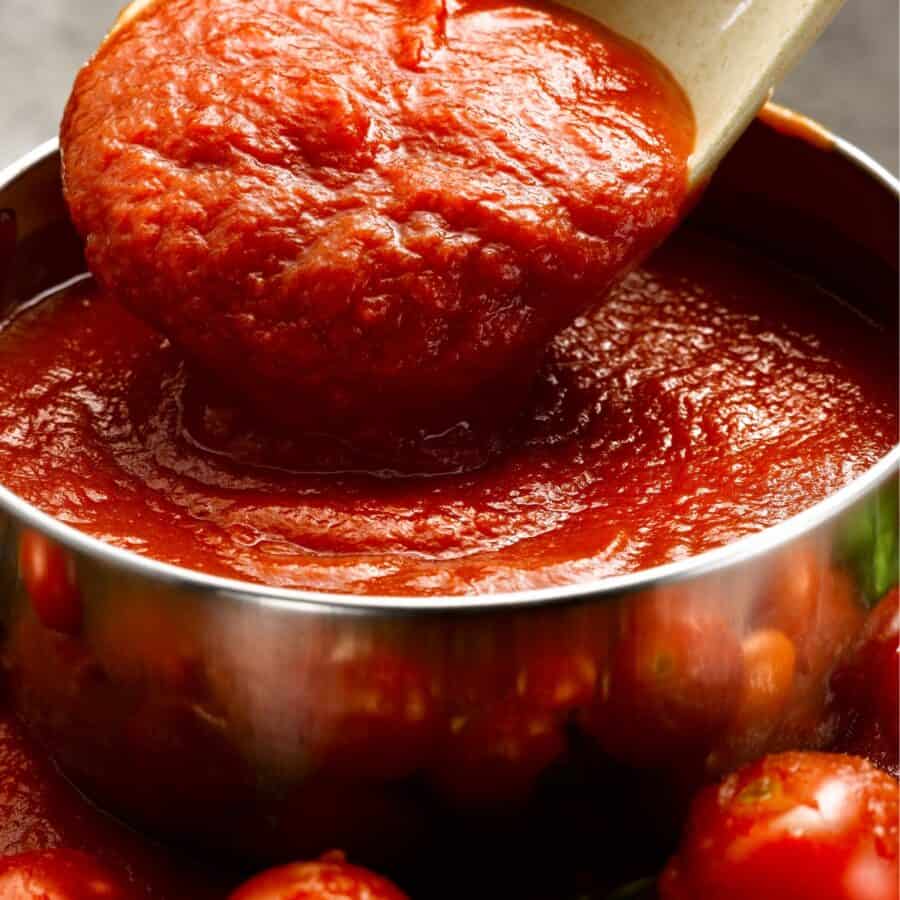
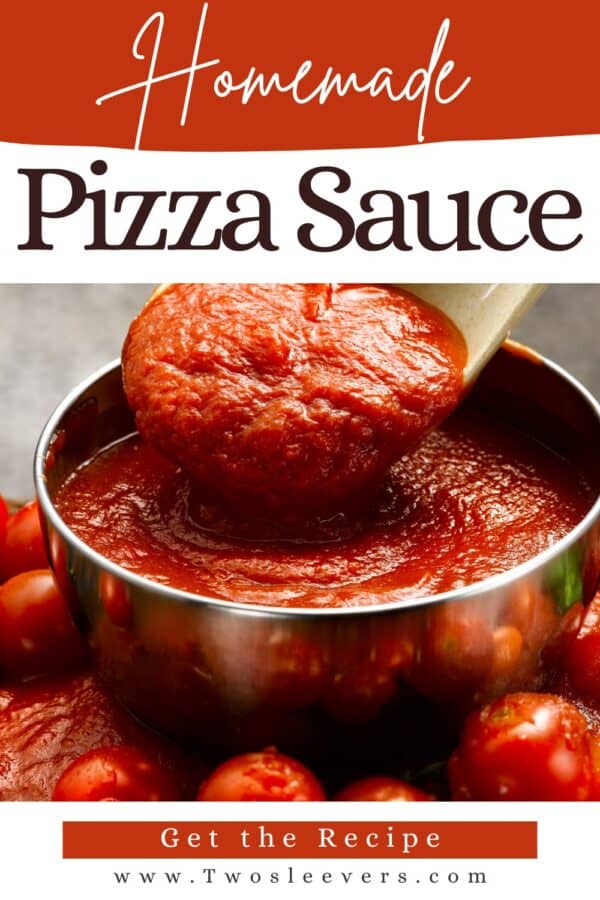
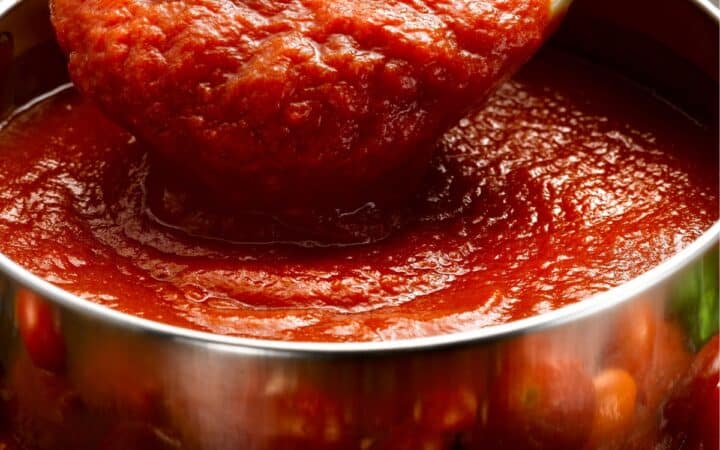
If you’re tired of bland store-bought jars, this Homemade Pizza Sauce will level up your pies with bright tomato flavor, garlic warmth, and Italian herb goodness.
Why You’ll Love This Spectacular Sauce
- Fresh Flavor. Ripe tomatoes, garlic, and herbs combine for a bright, vibrant sauce.
- Quick & Easy. Whip together in one pot in under 20 minutes—perfect for busy weeknights.
- Customizable. Adjust the sweetness, heat, or herb blend to suit your taste.
- Make-Ahead. Sauce stores beautifully in the fridge or freezer for later homemade pizzas.
What Does Homemade Pizza Sauce Taste Like?
Homemade pizza sauce delivers a bright, vibrant tomato flavor that’s both tangy and naturally sweet, with a fresh‐from‐the-garden quality you won’t get from jarred varieties.
The result is a sauce that’s bright yet balanced, savory yet sweet, with layers of herbal and garlicky richness, all working together to make your homemade pizza truly sing.
Is It Better Than Store-Bought?
Yes, homemade pizza sauce often outshines store-bought in flavor, freshness, and control over ingredients.
When you make your own, you’re using vine-ripened crushed tomatoes and aromatic garlic straight from the pan, rather than a jar that’s sat on a shelf. You control the sweetness with just a touch of sugar (no high-fructose corn syrup), balance acidity naturally, and season exactly to your taste with real Italian herbs and a splash of olive oil. Plus, there are no hidden preservatives or excess sodium.
The result is a brighter, more vibrant sauce whose layers of tomato, garlic, and herbs truly pop, transforming your pizza from “pretty good” to restaurant-quality at home.
Ingredients You’ll Need
- Crushed tomatoes - Provide the rich, slightly chunky tomato base, offering body and natural sweetness to the sauce.
- Tomato paste - Contributes concentrated tomato flavor, deepens the sauce’s color, and adds a velvety thickness.
- Extra-virgin olive oil - Sautés and caramelizes the garlic and herbs, and lends a smooth, fruity richness.
- Garlic - Infuses the sauce with warm, pungent aromatics that round out the tomato’s sweetness.
- Dried oregano - Brings classic Italian herbal warmth and a hint of earthiness.
- Dried basil - Adds sweet, peppery notes that brighten the tomato flavor.
- Red pepper flakes - Introduces a gentle kick of heat for those who like a spicy edge.
- Sugar - Balances the tomatoes’ natural acidity and amplifies their innate sweetness.
- Salt & freshly ground black pepper - Essential seasonings that enhance every flavor layer and sharpen the sauce’s profile.
How To Make Homemade Pizza Sauce
- Sauté the garlic. In a medium saucepan over medium heat, warm the olive oil until shimmering. Add the minced garlic and cook 30–45 seconds, stirring constantly, until fragrant (don’t let it brown).
- Add tomato paste. Stir in the tomato paste and cook for 1 minute, until it darkens slightly. This deepens the sauce’s flavor.
- Build the sauce. Pour in the crushed tomatoes, then sprinkle in oregano, basil, red pepper flakes (if using), and sugar.
- Simmer and season. Bring the sauce to a gentle simmer, then reduce heat and cook, uncovered, for 12–15 minutes, stirring occasionally, until slightly thickened. For an ultra-smooth sauce, use an immersion blender to pulse until your desired consistency. Skip this step if you prefer a rustic, chunky texture.
- Adjust to taste. Season with salt and pepper, tasting and tweaking until the sauce is balanced. Remove from heat.

Tips And Tricks
Here are a few tips and tricks to ensure your homemade pizza sauce turns out rich, balanced, and full of vibrant flavor:
- Use San Marzano–style tomatoes . These are best for the most authentic, naturally sweet flavor.
- Don’t overcook. A quick simmer keeps brightness; extended cooking can turn the sauce bitter.
- Layer flavors. Add a splash of red wine or a small pat of butter at the end for richness.
- Infuse garlic oil. Warm garlic in oil first to mellow its bite before sauce assembly.
Variations
If you love your homemade pizza sauce but want to switch things up, here are some delicious variations to try:
- Spicy Arrabbiata Sauce - Double the red pepper flakes and add a pinch of smoked paprika.
- Creamy White- Swap tomatoes for ½ cup heavy cream and ½ cup grated Parmesan.
- Pesto-Infused - Stir in 2 tablespoons of basil pesto off-heat for a herbaceous twist.
- Roasted Garlic Tomato - Roast whole garlic cloves until soft, then mash and add in place of raw garlic.
What To Eat With Homemade Pizza Sauce
Here are some delicious ways to enjoy your homemade pizza sauce beyond just spreading it on dough:
- As a dip - Serve warm with cauliflower breadsticks or mozzarella sticks .
- Pasta - Toss with cooked penne or rigatoni and top with fresh Parmesan.
- Meatball subs - Spoon over turkey or beef meatballs in toasted hoagies.
- Chicken Parmesan - Layer under melted mozzarella on breaded chicken cutlets.
How Long Does It Last?
Homemade pizza sauce stored in an airtight container will keep for about 5–7 days in the refrigerator.
The acidity of the tomatoes and added vinegar or sugar help slow bacterial growth, but it’s best to use it within the first week for optimal freshness and flavor.
Can You Freeze It?
If you’d like to preserve it longer, you can freeze the sauce in freezer-safe containers or heavy-duty resealable bags for up to 3 months, just thaw overnight in the fridge before reheating or using.
More Simple Sauce Recipes
- Big Mac Sauce
- Pomodoro Sauce
- Bang Bang Sauce
- Keto Ranch Dressing
- Honey Mustard
Homemade Pizza Sauce Recipe | Super Simple Pizza Sauce
Ingredients
- ▢ 15 ounces Crushed Tomatoes
- ▢ 2 tbsp Tomato Paste
- ▢ 2 tbsp Olive Oil
- ▢ 2 cloves Garlic , minced
- ▢ 1 tsp Dried Oregano
- ▢ 1 tsp Dried basil
- ▢ 1/4 tsp Red Pepper Flakes , optional
- ▢ 1/2 tsp Granulated Sugar
- ▢ 3/4 tsp Kosher Salt
- ▢ 1/4 tsp Ground Black Pepper
Instructions
- Sauté the garlic. In a medium saucepan over medium heat, warm the olive oil until shimmering. Add the minced garlic and cook 30–45 seconds, stirring constantly, until fragrant (don’t let it brown).
- Add tomato paste. Stir in the tomato paste and cook for 1 minute, until it darkens slightly. This deepens the sauce’s flavor.
- Build the sauce. Pour in the crushed tomatoes, then sprinkle in oregano, basil, red pepper flakes (if using), and sugar.
- Simmer and season. Bring the sauce to a gentle simmer, then reduce heat and cook, uncovered, for 12–15 minutes, stirring occasionally, until slightly thickened. For an ultra-smooth sauce, use an immersion blender to pulse until your desired consistency. Skip this step if you prefer a rustic, chunky texture.
- Adjust to taste. Season with salt and pepper, tasting and tweaking until the sauce is balanced. Remove from heat.
