
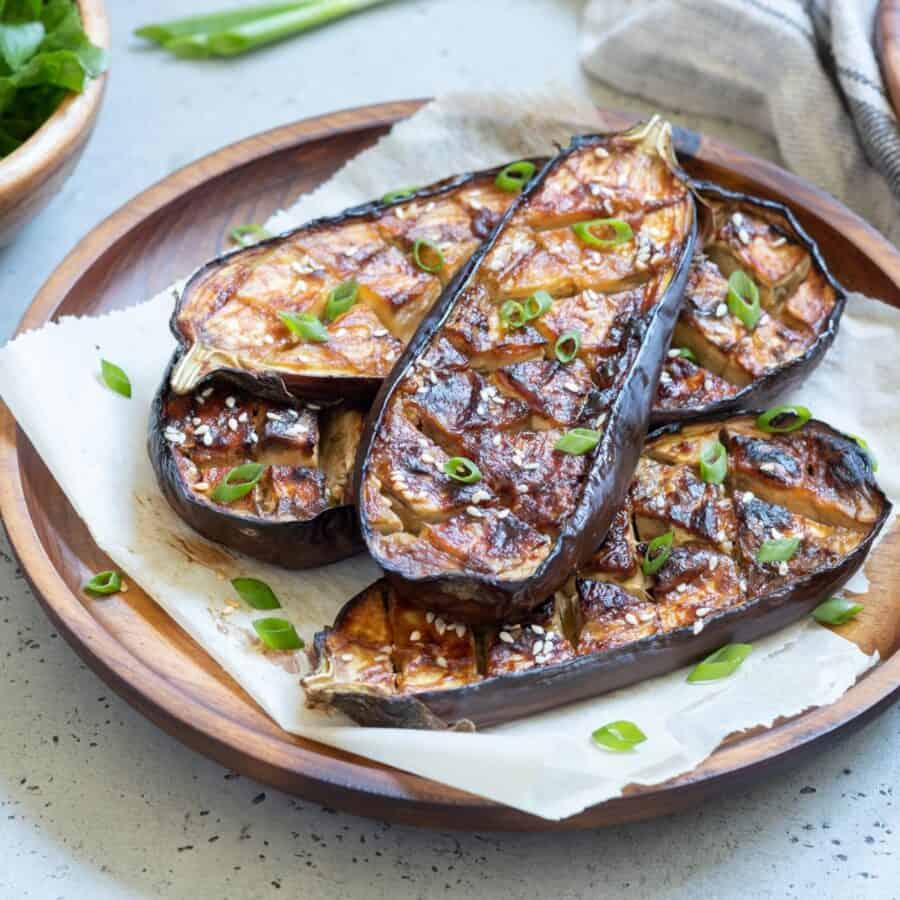
If you’re a fan of savory-sweet flavors and melt-in-your-mouth vegetables, you’re going to love this Miso Eggplant recipe (Nasu Dengaku)! Roasted eggplant halves are brushed with a rich miso glaze that caramelizes beautifully under the broiler, creating an irresistible side dish or vegetarian main that’s packed with umami.
Why You’ll Love This Spectacular Side Dish
- Quick & Easy. Ready in about 30 minutes with simple prep and roasting.
- Umami-Packed. The miso glaze delivers deep, savory flavor balanced with a touch of sweetness.
- Healthy. Eggplant is naturally high in fiber and low in calories, while miso adds probiotics and nutrients.
- Restaurant-Quality. With just a few pantry ingredients, you’ll achieve the flavor and presentation of your favorite Japanese restaurant at home.
Whether you’re making this as a side dish, part of a rice bowl, or even a light main course, miso eggplant is a dish that everyone will want seconds of.
What Does Miso Eggplant Taste Like?
Miso eggplant (or Nasu Dengaku) is a classic Japanese dish known for its deep umami flavor and tender, silky texture. The eggplant roasts until creamy inside, while the miso glaze caramelizes into a slightly sticky, flavorful coating.
It’s naturally vegetarian and can easily be made vegan by swapping out honey for maple syrup in the glaze.
Is It Healthy?
Yes, miso eggplant is generally considered a healthy dish, especially when enjoyed in moderation.
Eggplant itself is low in calories and rich in fiber, antioxidants, and vitamins, making it great for digestion and overall wellness. The miso glaze provides beneficial probiotics when using fermented miso paste, which can support gut health and immunity. Ingredients like sesame oil, garlic, and ginger add not only flavor but also heart-healthy fats and anti-inflammatory properties.
While the glaze does contain some natural sweeteners like honey or maple syrup, these are used in small amounts to balance flavors.
Ingredients You’ll Need
- Eggplants - The base of the dish. Japanese eggplants are tender and less bitter, while globe eggplants are heartier; both roast into a silky texture that absorbs the glaze beautifully.
- Soy Sauce – Deepens the savory notes and balances the natural sweetness of the miso and honey/maple syrup.
- Miso Paste - The star of the glaze. White miso (shiro miso) provides a slightly sweet, mellow umami flavor that caramelizes perfectly under heat.
- Rice Vinegar - Adds acidity and brightness, preventing the glaze from becoming too heavy.
- Sesame Oil - Brings a nutty, toasty aroma and enhances the Japanese-inspired flavor profile.
- Honey or Maple Syrup - Lends sweetness while also helping the glaze caramelize and achieve that glossy finish. (Maple syrup makes it vegan-friendly.)
- Garlic & Ginger - Infuse the glaze with warm, aromatic depth, making it even more flavorful.
- Sesame Seeds & Scallions - Final garnishes that add crunch, freshness, and visual appeal, balancing the tender eggplant and rich glaze.
How To Make Miso Eggplant
- Prepare the Eggplant. Preheat oven to 400°F. Slice eggplants in half lengthwise. Score the flesh in a crisscross pattern without cutting through the skin. Brush lightly with sesame oil.
- Roast Until Tender. Place eggplant halves on a parchment-lined baking sheet, cut side up. Roast for 20–25 minutes, until the flesh is soft and golden.
- Make the Miso Glaze. In a small bowl, whisk together miso paste, soy sauce, rice vinegar, sesame oil, and honey (or maple syrup). Add garlic and ginger if using.
- Glaze and Broil. Remove eggplants from the oven and brush generously with the miso glaze. Place under the broiler for 2–3 minutes until caramelized and slightly charred at the edges.
- Garnish and Serve. Sprinkle with sesame seeds and scallions. Serve hot as a side dish, over rice, or as part of a veggie platter.

Tips And Tricks
Making miso eggplant at home is simple, but a few helpful techniques can take this dish from good to restaurant-quality. From preparing the eggplant correctly to perfecting the miso glaze, these tips will ensure your dish turns out flavorful, caramelized, and satisfying every time:
- Score the Eggplant - Lightly score the flesh in a crisscross pattern. This helps the miso glaze soak in and ensures even cooking.
- Salt and Rest - Sprinkle cut eggplant with salt and let it sit for 15–20 minutes. This draws out excess moisture and bitterness, making the final dish more tender and flavorful.
- Use White (Shiro) Miso - It’s the mildest and slightly sweet, which balances beautifully with the glaze. Red miso can be stronger and saltier, so adjust accordingly.
- Brush Generously - Don’t be shy with the glaze. Coat the eggplant well so it caramelizes nicely under high heat.
Variations
Perfect! Miso eggplant is a versatile dish, and there are plenty of delicious ways to switch it up to suit your taste. Here are some creative variations you can try:
- Spicy - Add chili paste, sriracha, or a pinch of red pepper flakes to the miso glaze for a kick of heat.
- Sesame-Lover’s - Increase the sesame oil and top with toasted sesame seeds or a drizzle of tahini for a nutty, rich finish.
- Grilled - Instead of roasting or broiling, toss the eggplant on the grill. The smoky char pairs beautifully with the sweet-savory glaze.
- Ginger-Miso - Amp up the aromatics by adding freshly grated ginger to the glaze for extra warmth and depth.
What To Eat With Miso Eggplant
Miso eggplant is bold, savory, and slightly sweet, making it a versatile dish that pairs beautifully with a variety of sides and mains. You can enjoy it as a light vegetarian entrée or as a flavorful side dish alongside proteins.
- Rice - Classic and simple, rice soaks up the rich miso glaze perfectly.
- Quinoa or Brown Rice - For a heartier, nutrient-packed pairing with extra fiber and protein.
- Noodles - Soba or udon noodles tossed with sesame oil or soy sauce make a great complement.
- Tofu or Tempeh - Pan-seared or grilled, these plant-based proteins pair well with the umami glaze.
- Grilled Fish or Chicken - The savory-sweet flavor of miso eggplant balances lean proteins beautifully.
How Long Does It Last?
Cooked miso eggplant can be stored in an airtight container in the refrigerator for 2–3 days. Reheat in the oven or air fryer for the best texture.
Can You Freeze It?
It’s best to enjoy miso eggplant fresh, as eggplant can become mushy once frozen. If you must, freeze cooked eggplant without glaze, then thaw and glaze just before reheating.
More Excellent Eggplant Recipes
- Eggplant Rollatini
- Tomato Eggplant Soup
- Malai Baingan
- Baba Ganoush
- Instant Pot Eggplant Pasta

Miso Eggplant Recipe | Japanese-Inspired Nasu Dengaku
Ingredients
- ▢ 2 Eggplant
- ▢ 2 tbsp Soy Sauce
- ▢ 3 tbsp White Miso Paste
- ▢ 1 tbsp Rice Vingear
- ▢ 1 tbsp Sesame Oil
- ▢ 1 1/2 tbsp Honey
- ▢ 2 cloves Garlic , minced
- ▢ 1 tsp Ginger , grated
- ▢ 1 tbsp Sesame Seeds
- ▢ 2 Scallions , sliced
Instructions
- Prepare the Eggplant. Preheat oven to 400°F. Slice eggplants in half lengthwise. Score the flesh in a crisscross pattern without cutting through the skin. Brush lightly with sesame oil.
- Roast Until Tender. Place eggplant halves on a parchment-lined baking sheet, cut side up. Roast for 20–25 minutes, until the flesh is soft and golden.
- Make the Miso Glaze. In a small bowl, whisk together miso paste, soy sauce, rice vinegar, sesame oil, and honey (or maple syrup). Add garlic and ginger if using.
- Glaze and Broil. Remove eggplants from the oven and brush generously with the miso glaze. Place under the broiler for 2–3 minutes until caramelized and slightly charred at the edges.
- Garnish and Serve. Sprinkle with sesame seeds and scallions. Serve hot as a side dish, over rice, or as part of a veggie platter.
Get support & connect with our community on Facebook!

If you already signed up, you should have received an email with a password to give you unlimited access to our FREE Printable Library. The password is case sensitive. Enter it below and get printing!
Password:

Miso Eggplant Recipe | Japanese-Inspired Nasu Dengaku
Ingredients
- 2 Eggplant
- 2 tbsp Soy Sauce
- 3 tbsp White Miso Paste
- 1 tbsp Rice Vingear
- 1 tbsp Sesame Oil
- 1 1/2 tbsp Honey
- 2 cloves Garlic minced
- 1 tsp Ginger grated
- 1 tbsp Sesame Seeds
- 2 Scallions sliced
Instructions
- Prepare the Eggplant. Preheat oven to 400°F. Slice eggplants in half lengthwise. Score the flesh in a crisscross pattern without cutting through the skin. Brush lightly with sesame oil.
- Roast Until Tender. Place eggplant halves on a parchment-lined baking sheet, cut side up. Roast for 20–25 minutes, until the flesh is soft and golden.
- Make the Miso Glaze. In a small bowl, whisk together miso paste, soy sauce, rice vinegar, sesame oil, and honey (or maple syrup). Add garlic and ginger if using.
- Glaze and Broil. Remove eggplants from the oven and brush generously with the miso glaze. Place under the broiler for 2–3 minutes until caramelized and slightly charred at the edges.
- Garnish and Serve. Sprinkle with sesame seeds and scallions. Serve hot as a side dish, over rice, or as part of a veggie platter.
Miso Eggplant Recipe | Japanese-Inspired Nasu Dengaku https://twosleevers.com/miso-eggplant-recipe/

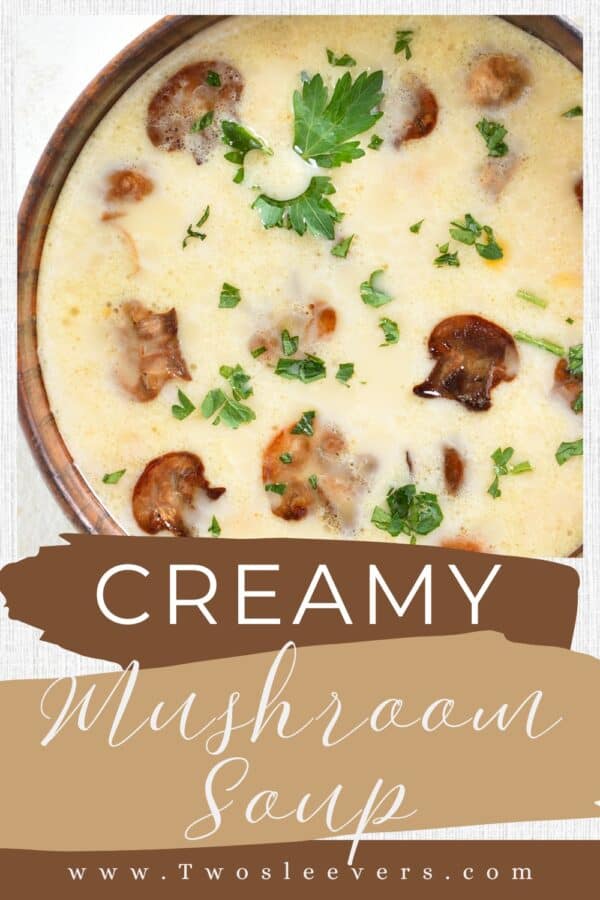
If you’re a fan of rich, velvety soups with earthy, comforting flavors, you’re going to love this Homemade Creamy Mushroom Soup. This recipe teaches you how to make a restaurant-quality soup at home that’s full of depth, creamy texture, and irresistible aroma. Perfect for cozy nights in or as a starter for a special dinner, this soup is guaranteed to impress.

Why You’ll Love This Spectacular Soup
- Comforting & Creamy. Silky smooth, indulgent, and rich without being heavy, this soup is the ultimate comfort food.
- Quick & Easy. Ready in under 30 minutes, using simple pantry staples and fresh mushrooms.
- Versatile. Enjoy it as a starter, a light main course with crusty bread, or a side dish to your favorite dinner.
- Flavorful. The combination of fresh mushrooms, garlic, and a hint of herbs delivers deep, earthy flavor that’s incredibly satisfying.
Whether it’s a chilly evening, a family gathering, or a casual dinner, this creamy mushroom soup is a guaranteed hit at the table.
What Does Creamy Mushroom Soup Taste Like?
Creamy mushroom soup is beloved for its rich, umami-packed flavor and luxurious texture. The sautéed mushrooms add depth, while the cream and butter give it a smooth, velvety mouthfeel.
It’s a classic soup that appeals to mushroom lovers and anyone looking for a cozy, comforting dish.
Ingredients You’ll Need
- Mushrooms - They are the main flavor driver of the soup, offering earthy, umami-rich notes and a meaty texture that makes the soup hearty and satisfying.
- Unsalted Butter - Provides a rich, velvety base for sautéing the mushrooms, garlic, and onions, without adding extra salt so you can control seasoning. It also contributes to the overall smooth mouthfeel of the soup.
- Garlic - Adds bold, aromatic depth, enhancing the savory flavors of the mushrooms and giving the soup a fragrant, inviting aroma.
- Onion - Offers natural sweetness and complexity, balancing the earthiness of the mushrooms and rounding out the flavor profile.
- All-Purpose Flour - Acts as a thickening agent, creating a creamy, luscious consistency that gives the soup body.
- Vegetable Broth - Forms the liquid base, infusing the soup with savory flavor and ensuring the mushrooms aren’t too heavy or dense.
- Heavy Cream or Milk - Adds luxurious creaminess and a silky texture, softening the intensity of the mushrooms while enriching the soup.
- Salt & Black Pepper - Essential for seasoning, these bring out the natural flavors of the ingredients and balance the richness of the butter and cream.
- Fresh Thyme or Parsley - Provides a fresh, herbal note and a touch of color, brightening the soup and adding subtle aromatic complexity.
How To Make Creamy Mushroom Soup
- Sauté the Aromatics. In a large pot, melt butter over medium heat. Add the onion and garlic, and sauté until soft and fragrant.
- Cook the Mushrooms. Add sliced mushrooms to the pot and cook until they release their moisture and become golden brown. This step intensifies the earthy flavor.
- Thicken the Base. Sprinkle the flour over the mushrooms and stir to coat. Cook for 1–2 minutes to remove the raw flour taste.
- Add the Broth. Gradually pour in the chicken or vegetable broth, stirring constantly to avoid lumps. Bring to a gentle boil, then reduce heat and simmer for 10 minutes.
- Blend for Creaminess. Use an immersion blender to puree the soup until smooth. To retain some of the texture, try removing half of the soup to puree and add it back to the unblended portion.
- Stir in Cream. Add heavy cream or milk and heat gently. Season with salt, black pepper, and fresh herbs if using.
- Serve. Ladle the soup into bowls and garnish with fresh parsley or thyme. Pair with crusty bread or garlic knots for a comforting meal.

Tips And Tricks
Making creamy mushroom soup at home can be incredibly rewarding, but a few tips and tricks can help ensure your soup turns out rich, flavorful, and perfectly smooth every time.
- Use Fresh, Quality Mushrooms . Fresh mushrooms provide the best flavor and texture. Choose firm, unblemished mushrooms and avoid overly watery ones, as they can make the soup thin.
- Don’t Skip Sautéing . Sautéing mushrooms, onions, and garlic in butter before adding broth enhances their natural flavors and gives the soup a deep, savory base.
- Cook Until Golden . Let the mushrooms and onions brown slightly while sautéing. This caramelization adds richness and depth that elevates the overall taste.
Variations
Creamy mushroom soup is wonderfully versatile, and there are plenty of ways to tweak the flavors and textures to suit your taste or make it a little more special.
- Add White Wine or Sherry - Deglaze the pan with a splash of white wine or dry sherry before adding the broth for a subtle, sophisticated depth of flavor.
- Mix Mushroom Varieties - Combine cremini, shiitake, portobello, or oyster mushrooms to create a richer, more complex earthy taste.
- Make It Vegan - Swap butter for olive oil or vegan butter and use coconut milk or unsweetened plant-based milk instead of cream.
What To Enjoy With Creamy Mushroom Soup
Creamy mushroom soup is comforting and flavorful on its own, but pairing it with the right sides can elevate your meal to a whole new level.
- Crusty Bread or Baguette - A warm, crusty loaf is perfect for dipping into the creamy soup, soaking up all the rich, savory flavors.
- Grilled Cheese Sandwich - The gooey, melty cheese and buttery bread complement the earthy mushrooms beautifully, creating a classic, cozy pairing.
- Garlic Bread or Dinner Rolls - Soft, buttery rolls brushed with garlic or herbs provide a satisfying accompaniment that adds extra indulgence.
- Fresh Salad - A light, crisp salad with a tangy vinaigrette balances the richness of the soup and adds a refreshing contrast.
How Long Does It Last?
Stored in an airtight container, creamy mushroom soup will keep in the refrigerator for 3–4 days. The flavors may intensify slightly over time, making it even more delicious the next day.
Can You Freeze It?
Yes! Creamy mushroom soup freezes well, although texture may change slightly due to the cream. Allow the soup to cool completely, then transfer to a freezer-safe container. Leave room at the top for expansion and freeze for up to 2 months.
Thaw overnight in the refrigerator and reheat gently on the stove, stirring occasionally.
Best Budget Friendly Meals
- Potato Tacos
- Spaghetti Squash Casserole
- Mushroom Stroganoff
- Herb And Cheese Frittata
- Eggplant Soup

Creamy Mushroom Soup Recipe | Homemade Mushroom Soup
Ingredients
- ▢ 2 tbsp Unsalted Butter
- ▢ 1 Onion , chopped
- ▢ 3 cloves Garlic , minced
- ▢ 1 1/2 pounds Mushrooms , sliced
- ▢ 3 tbsp All Purpose Flour
- ▢ 4 cups Vegetable Broth
- ▢ 1 cup Heavy Cream
- ▢ 1 tsp Thyme
- ▢ Kosher Salt , to taste
- ▢ Ground Black Pepper , to taste
- ▢ Parsley , for garnish
Instructions
- Sauté the Aromatics. In a large pot, melt butter over medium heat. Add the onion and garlic, and sauté until soft and fragrant.
- Cook the Mushrooms. Add sliced mushrooms to the pot and cook until they release their moisture and become golden brown. This step intensifies the earthy flavor.
- Thicken the Base. Sprinkle the flour over the mushrooms and stir to coat. Cook for 1–2 minutes to remove the raw flour taste.
- Add the Broth. Gradually pour in the chicken or vegetable broth, stirring constantly to avoid lumps. Bring to a gentle boil, then reduce heat and simmer for 10 minutes.
- Blend for Creaminess. Use an immersion blender to puree the soup until smooth. To retain some of the texture, try removing half of the soup to puree and add it back to the unblended portion.
- Stir in Cream. Add heavy cream or milk and heat gently. Season with salt, black pepper, and fresh herbs if using.
- Serve. Ladle the soup into bowls and garnish with fresh parsley or thyme. Pair with crusty bread or garlic knots for a comforting meal.
