If you’ve been on a keto diet for any amount of time, I’m sure you’ve heard about Intermittent Fasting (or I/F) and wondered whether it’s something you should incorporate into your keto lifestyle. In this article, I’ll break down the facts on intermittent fasting so you can make an informed decision.
Should you use Intermittent Fasting as part of your keto diet?
It’s important to remember that, while fasting isn’t required to lose weight on a ketogenic diet, it can increase your weight loss, energy levels and focus on the keto diet.
People often worry that I/F will make them feel weak, lethargic and “hangry”, when actually the opposite is true. From a biological standpoint, it makes sense that when you’re short on food, you need to be running at your best in order to increase your chances of finding something to eat to survive and here I’ll explain why.
But before you start let me tell you something. DO NOT START I/F UNTIL YOU ARE WELL INTO KETOSIS.
Listen, it’s hard enough giving up carbs. Don’t make life doubly difficult for yourself but also trying to cut calories at the same time.
Check out my Week 1 Keto Plan here to see how to follow a 4-week plan toward getting into ketosis.
How Do You Do Intermittent Fasting?
The term “fasting” refers to the time of the day when you are in-between your meals. Conversely, your body is in a “feeding” or “feasting” state when you are eating your food.
There are a few approaches to intermittent fasting from easier to the more difficult:
- Skipped Meals. This is when you skip over a meal to induce extra time of fasting. Usually, people choose breakfast or dinner. This narrows your feeding time down to a shorter period.
- Eating Windows. This type of fasting condenses your entire macronutrient intake down to a specific window. A popular way to begin this is 16 hours of fasting and 8 hours of feeding, or 16:8. So for example, if you have your last meal at 6:00 p.m. you wouldn’t eat the next day until after 10:00 a.m. And yes, sleeping time counts towards fasting!
- 24-48 hour cleanse . This is where you go into extended fasting periods, and do not eat for 1-2 days. I don’t recommend doing this until you’re well into ketosis and stable, because fasting from a high carbohydrate diet can cause unstable blood sugar, cravings, mood swings, and low energy.
I always recommend that you begin slowly fasting by first playing with your eating window before diving into the extended cleansing fasts.
DO NOT START I/F UNTIL YOU ARE WELL INTO KETOSIS.
By the way, If you’re struggling with any of this, come join my KETO FACEBOOK GROUP for support. We will talk you through it, hold your hand, and keep you from going crazy .
Benefits of
Intermittent Fasting:
Below are just some of the benefits of I/F:
- Boosts Fat Loss: Because when you’re in ketosis you’re already burning fat for energy, fasting will knock your fat-burning into overdrive and help you to burn even more fat.
- Increases Insulin Sensitivity and lowers insulin blood levels. Your body cannot burn fat when insulin is circulating. So you want to reduce insulin in the bloodstream as much as possible. Nothing reduces insulin as much as not eating!
- Increases Muscle Mass. Many people worry that fasting will burn away some of their hard-earned muscle. In fact, studies have shown that a single 24-hour fast increased human growth hormone (HGH) by 2000% in men and 1300% in women. The reason this is so important is that HGH plays an integral role in building muscle. Research also shows that higher levels of HGH lead to lower levels of body fat, higher lean body mass and improved bone mass. Increased HGH also led to more supple skin in research subjects so it can even make you look younger.
- Improves Brain Function . Intermittent fasting increases a protein in your brain called BDNF, or Brain-Derived Neurotrophic Factor. BDNF improves learning and memory and can help you forge stronger neural pathways, making your brain run faster and more efficiently, which is especially important as you age. Some of the most effective ways to increase BDNF is through fasting and exercise.
- Slows The Aging Process. Fasting ramps up your stem cell production, which your body turns into whatever kind of cell it needs. Your body uses stem cells to replace old or damaged cells, keeping you younger on a cellular level. Stem cells are great for your skin, joints, old injuries, chronic pain, and more.
- Stimulates Autophagy . Autophagy means “self-eating,” and when autophagy turns on, your cells sift through their internal parts, get rid of anything that’s damaged or old, and install new cells. It reduces inflammation and boosts longevity. Intermittent fasting can trigger profound autophagy, especially in the brain.
- Lowers Inflammation . Intermittent fasting decreases oxidative stress and body-wide inflammation markers. Inflammation is the culprit behind everything from an upset stomach to sore joints to diseases. Keeping inflammation low will increase your longevity and help your body run better. ( Source ).
- Helps You Get Into Or Stay In Ketosis Faster . Nothing will get you into ketosis quicker than fasting. Often, if I’ve totally gone off the rails over the weekend, I start off with 18 hours of not eating, to help my body get back into ketosis faster.
- Reduces Caloric Intake Without Reducing Metabolic Rate. This to me, as a lifelong dieter, is the biggest advantage of intermittent fasting. Ordinarily, when you cut calories, you also reduce the rate at which your body burns calories. This is what makes weight loss so difficult! With intermittent fasting, however, your metabolic rate INCREASES during a fast. Think of this like a hungry animal on the prowl, looking for more food. Since you break that fast by eating rather than reducing calories over weeks on end, your body burns the food you eat without reducing its metabolic rate. ( Source ).
Why Keto And Intermittent Fasting Work So Well Together:
I/F is difficult on a normal diet because of the spikes in blood sugar that come when you eat carbs to the sugar crashes when you don’t. When you are on a Keto diet you won’t experience these highs and lows because your body is depending on fat for energy, not on carbohydrates.
If you pair a keto diet with fasting, your blood sugar will stay stable and low (but not crash) all day. The stability in your blood sugar level will eliminate the cravings, fatigue, and mood swings that make high-carb fasting so difficult.
The ketones that are working so hard for you on a keto diet also suppress ghrelin , your body’s main hunger hormone. High ghrelin makes you hungry. On keto, your ghrelin stays low, even when you don’t have food in your system which allows you to go longer without eating.
Check out myHow to start a Keto dietpost here for weekly keto meal plan outlines, for information on how to calculate macros, and other great keto tips.
How To Get Started With Intermittent Fasting
So how do you do intermittent fasting? Do you need a meal plan?
Well, since the beauty of fasting is NOT EATING, you need no meal plans at all. Just don’t eat.
As I mentioned before, there are many types of fasts, so I would recommend starting with the easier ones and working your way up.
What’s important in all of these is that you remain within your macros during your feeding time so you stay in ketosis and don’t experience the blood sugar swings that come with burning carbs.
How Long Should You Do Intermittent Fasting?
In increasing order of difficulty for most people, here are 6 of the most popular types of fasts.
- 16-hour Fast (16:8) . This is the entry-level and most popular type of intermittent fast, because it is really not difficult on a keto diet. The 16-hour fast encourages you to eat all of your meals in an 8-hour window. This might mean eating all of your meals between 8 am and 4 pm, or between noon and 8 pm each day.
- 18-hour fast (18:6) . Once you are comfortable with this you might even consider extending it to an 18-hour fasting period each day. Just be sure that you still remain within your macros in this period. And again, sleeping counts for your fasting time, so you might consider that when choosing your times. I follow this method about 3-4 times a week. I eat at 9 pm and then my next meal is at 2 or 3 pm the next day.
- The 5:2 Diet Or Alternate Day Modified Fasting . Eat 500 calories one day, and eat normally the next day. When I had less than 10 pounds to go to reach my goal weight, I had to do an alternate day modified fast to get there. Lunch was cottage cheese and a handful of berries. Dinner was 4 oz of meat and 1 cup of veggies. I usually had a cheese chip or a small fat bomb later in the day, and that was my 500 calories right there.
- One Meal A Day (OMAD) . Eat one big meal a day at whatever time works for you and then fast for the rest of the day.
- A Weekly 24-48 Hour Fast. Take one day a week and skip food entirely. This is a great way to regenerate your system, and usually, I emerge from these fasts feeling more energetic and lighter.
- Alternate-Day Fasting. This is when you back and forth between feasting days and fasting days. Eat one day, then eat nothing the next. This is usually the most challenging fasting option for most people. If you try it, make sure you’re eating enough on your feast days, otherwise, you’ll fall into a calorie deficit and you’ll feel miserable.
Can I Drink During Intermittent Fasting?
There are as many different answers to this as there are people fasting. It also depends on the type of fast you are doing.
Let me simplify this for you. Here are a few things to avoid while fasting.
- Anything over 50-100 calories will likely knock you out of your fast.
- Any simple carbs will likely provoke an insulin response and knock you out of your fast.
- Artificial sugars may knock you out of your fast.
Will a little cream with your coffee hurt you? Probably not, but four cups of that will definitely knock you out of your fast.
A few last words about Intermittent
Fasting:
- I have found as with everything, over time your body tends to adjust to whatever you’re doing, so keep it guessing with a diverse fasting routine. For example, you might do a 16:8 several days a week, then add in a longer fast and then go a week without fasting at all. Experiment with what works best for your body. I tend to do an 18:6 three or four times a week. I often eat a LOT on Saturday or Sunday and then kick off the week with a Monday 18:6 fast to get back on track.
- It is worth testing to make sure you’re in ketosis before you fast. You won’t experience the roller coaster effect with your blood sugar and fasting will be much easier. I cannot emphasize this enough. DO NOT start fasting before you have been in ketosis for a few weeks.
- Keep your macros steady during your feeding times . It’s ok to experiment with eating more calories when you break a fast, but be sure to remain within your keto macros so you don’t throw yourself out of ketosis.
- It is very important to stay hydrated and keep your electrolytes in balance while you’re fasting to avoid dehydration, cramps, and feeling sluggish. Be sure to drink plenty of water while you fast, as this will both keep you hydrated and keep you feeling full. Drinking bone broth is common during fasting as it’s one of the best ways to stay hydrated and replenish key electrolytes, such as calcium, magnesium, and other trace minerals that are depleted throughout the day. If you are not drinking bone broth or are very active, I suggest adding electrolytes to your diet to stay in balance. There are many very expensive supplements available, but over the last six years I have used Propel Powder packets for myself. They are inexpensive and work well for me.
- Drink lots of water, plain coffee, and black tea. Try to avoid creamer and sugar or artificial sweeteners in your drinks.
- When you do eat, keep carbs to a minimum and eat more fat. Not only will you feel full faster, but it will also keep blood sugar crashes to a minimum.
- Stay busy. I usually plan a very busy day for myself so I’m not sitting around getting bored.
My most important advice to you?
Aim for progress, not perfection.
A 6 hour fast is better than grazing for 6 straight hours. Eight hours is a great way to make your way to 12 hours.
Progress, not perfection should be your goal.
Pin this for later so you have an easy reference guide.
Give intermittent fasting a try. Most people find that once they get over the thought of not eating for a period of time, it’s much easier than they expected and the health benefits of intermittent fasting far outweigh its difficulty.
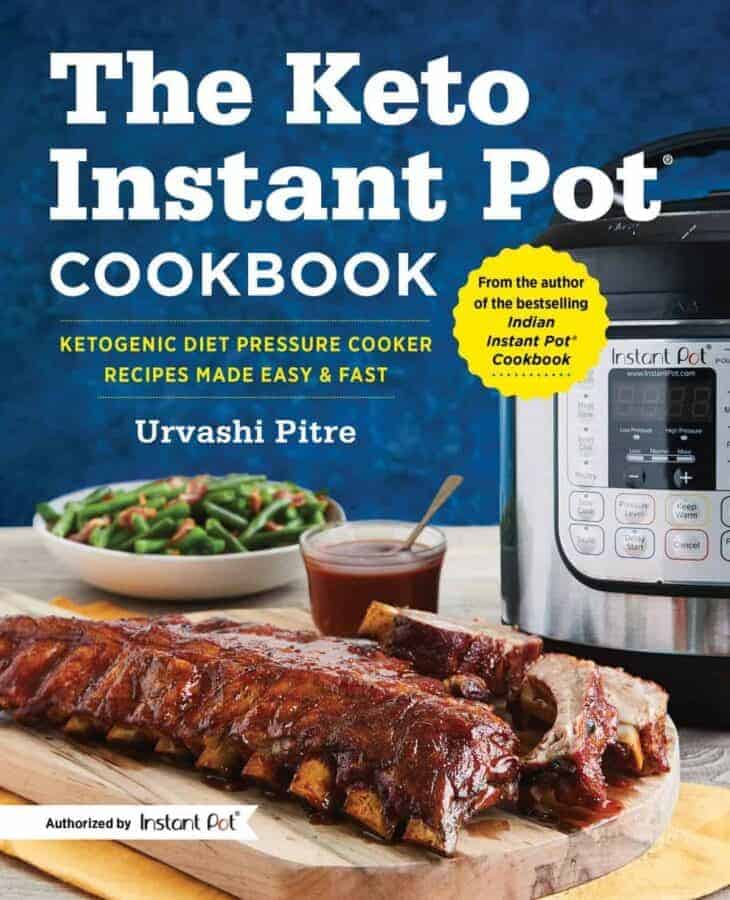
Don’t forget to check out my other Ketocookbooks.
Keto Instant Pot, Keto Fat Bombs, Sweets, & Treats , and Easy keto in 30 minutes.
If you already signed up, you should have received an email with a password to give you unlimited access to our FREE Printable Library. The password is case sensitive. Enter it below and get printing!
Password:











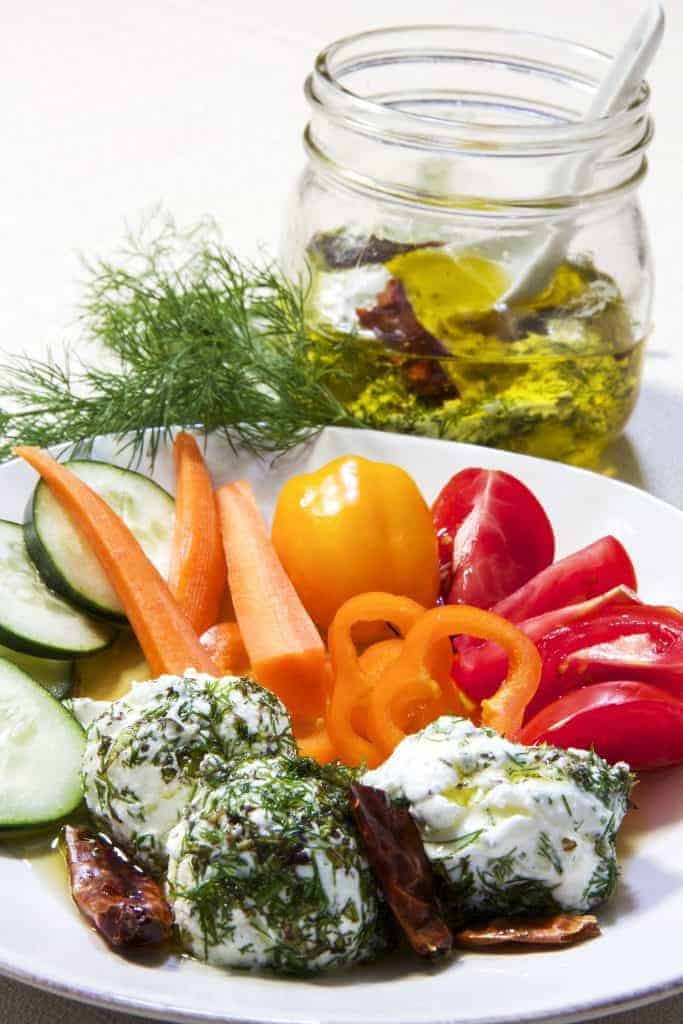
If you’re looking for the perfect low carb appetizer or snack, Labneh Cheese Balls are the perfect solution for your cravings. Serve it with your favorite veggies as a dip or as a low carb spread on a lettuce wrap or sandwich.
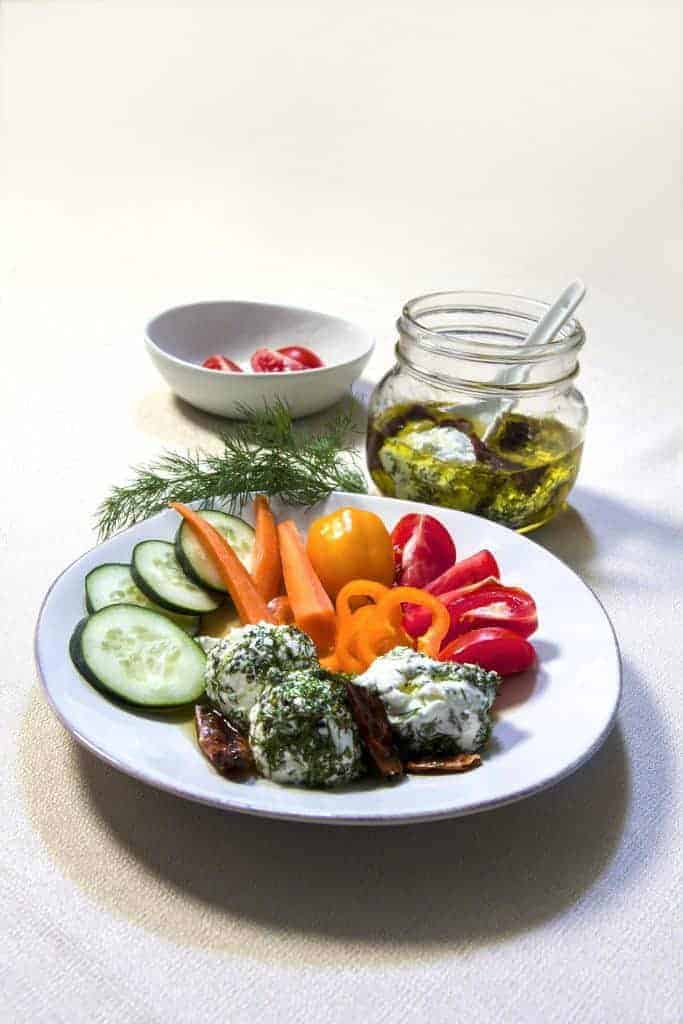
What Makes These Labneh Cheese Balls So Great?
- Low Carb . Only 7 carbs per serving.
- High Protein . One serving packs 14 grams of protein.
- Vegetarian. Serve with veggies for a great vegetarian snack or appetizer .
- Flavorful. Packed with flavor from the oil and herbs.
What Is Labneh?
Once you start making homemade greek yogurt , it opens the doors to making Labneh Cheese Balls , which is a yogurt cheese with multiple uses.
Labneh is a thick and creamy yogurt-like cheese that is made by straining Greek yogurt until it is almost completely rid of all liquid.
Where Did Labneh Originate From?
While there is no specific evidence to prove where Lebneh originated, many people believe that it came from a large area in the Middle East that includes Lebanon, Syria, Israel, Jordan, and Palestine.
Is Labneh The Same As Cream Cheese?
One way to think of it is as a substitute for cream cheese, except I’ve typically not seen it used as a sweet substitute, but rather more of a savory one. You can of course combine it with honey, cranberry chutney, or peach chutney for a sweet treat.
Is Labneh Healthier Than Cheese?
Labneh is often compared to cream cheese because of its tart flavor and texture. However, it is a healthier alternative to cream cheese. Here’s why:
- Lower Sodium
- Fewer Calories
- More Fat
- Higher Protein Content
How To Make Labneh Cheese Balls
Making Labneh is not complicated, but it does require patience.
- Place regular greek yogurt in your yogurt strainer or in a coffee filter with a container below to catch the liquid as it separates.
- Allow to strain 2-3 days.
- Create Labneh Cheese Balls or a simple Labneh spread.
- Enjoy with your favorite dipping items or on a sandwich.
See what I mean about patience?
How To Strain The Yogurt To Make Labneh
There are two popular strainers that I can recommend for making the Labneh Cheese Balls .
- If you have a small amount of yogurt to strain, say about 2 cups or so, the Donvier Cuispro works like a dream. It doesn’t take up half your fridge shelf space, the grid is tilted, so the bottom of the yogurt stays clean. It also washes up no trouble. I use this to make Greek Yogurt as well.
- If you have a larger quantity to strain, then the Eurocuisine strainer works wonderfully. It’s sturdily built, holds a lot, washes clean, and keeps the yogurt out of the whey entirely.
But if you’re not sure about any of this or want to try out this Labneh recipe without waiting for your new kitchen gadget to come in the mail, you can use a large coffee filter to strain the yogurt.
Tips and Tricks For Making Labneh
- The longer you let it sit, the firmer the yogurt balls. If you get impatient, remember you don’t have to be able to roll them into balls and preserve them . You can just spread the strained labneh onto a plate and garnish it with some good olive oil.
- Decide whether you will be eating them fresh, or preserving them. I wanted to create Labneh Cheese Balls that would be preserved for a bit, so I created cheese balls that I could put into a jar and cover with oil that I am infusing. This meant I had to drain them for longer.
- Decide what herbs and spices appeal to you. Traditionally you could use Zaa’tar .
- You can use whatever herbs and spices you want. Just start with these as a template to make your perfect Labneh .
How To Serve Labneh
- If you choose to make a sweet version, with honey or the pomegranate molasses , you can serve it as a light dessert
- Savory Labneh can be used as a dollop on top of steamed greens. Steamed Spinach + toasted garlic + toasted pine nuts + Labneh = Total Deliciousness
- Labneh + roasted red peppers = totally new flavor
- Chives + labneh = sandwich spread instead of mayonnaise
- Labneh + honey/sweetener + cardamom = Indian twist Labneh
- Labneh + savory spices = dip for grilled meats and vegetables
Does Labneh Go Bad?
Labneh, as it is made by just straining the greek yogurt doesn’t have a long shelf life. After the liquid is strained from it, it only has about three days of high quality life.
There are ways to preserve Labneh in oils, but that is something we’ll discuss on a different day. This recipe makes a relatively small amount of Labneh so you should have no trouble finishing yours before it’s time to toss it.
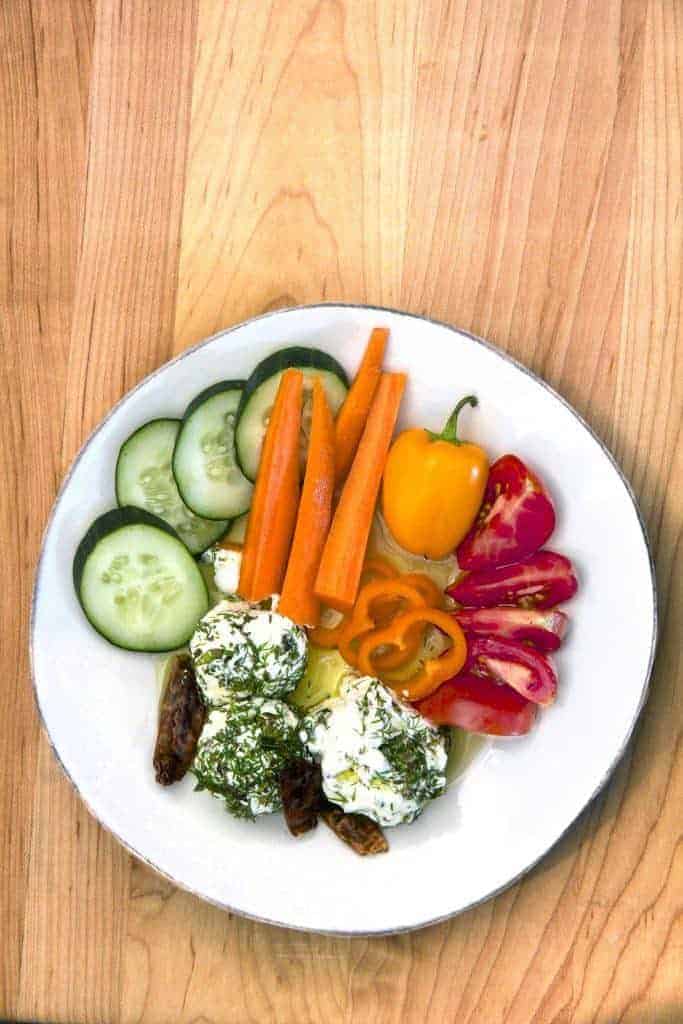
If you try making your own Labneh Cheese Balls and love what a delicious snack they turn out to be, make sure you share the recipe with your friends on Facebook and Pinterest so they can try their hand at making them too.
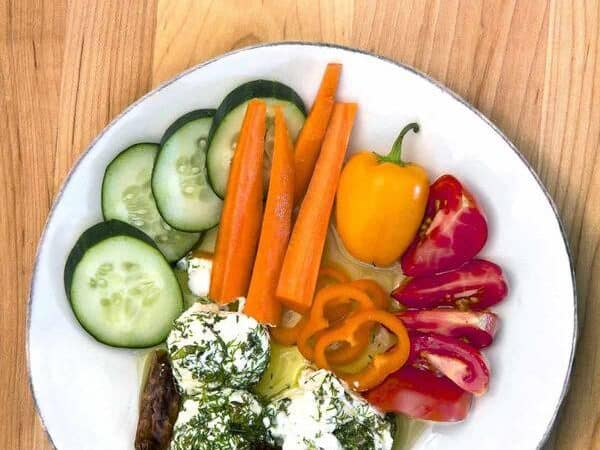
High Protein Labneh cheese Balls
Ingredients
For the Flavored Oil
- ▢ 1/2 cup ( 108 g ) olive oil , (enough to cover the yogurt balls)
- ▢ 6 cloves ( 6 cloves ) Garlic , peeled and smashed
- ▢ 2 ( 2 ) Dried Red Chilis
For the Labneh
- ▢ 4 cups ( 800 g ) Full-Fat Greek Yogurt
- ▢ 1 teaspoon ( 1 teaspoon ) Kosher Salt
- ▢ 3 tablespoons ( 3 tablespoons ) chopped dill
- ▢ 3 tablespoons ( 3 tablespoons ) Chopped Mint
Instructions
For the Flavored Oil
- In a clean, 1 pint mason jar, pour in the olive oil. Add garlic and chilis and set aside and let is sit for 2-3 days as the yogurt drains.
For the Labneh
- Place Greek Yogurt in a strainer, and allow it to drain for 2-3 days in the refrigerator.
- When ready, chop the mint and the dill finely, mix together, and spread across a plate.
- Remove the yogurt from the strainer and mix with 1 teaspoon salt.
- Shape the yogurt into small balls. Roll the balls into the minced dill and mint.
- Place each ball into the jar of flavored oil.
- Add additional oil if needed. You want the yogurt balls submerged into the oil so they stay preserved, and not exposed to air.
Serving suggestion
When ready to serve, remove 1-2 balls carefully and place into a bowl or plate.
Serve with raw vegetables, crackers, or pita bread triangles, or pita chips.
Not sure what is in Greek Yogurt after the whey is drained.
Depends on how much oil you use to spread across your cheese.
Greek Yogurt is high in protein so I felt comfortable labelling this High protein Labneh
Get support & connect with our community on Facebook!
Nutrition
Originally Published August 7, 2017
Don’t forget to check out my other Ketocookbooks.
Keto Instant Pot, Keto Fat Bombs, Sweets, & Treats , and Easy keto in 30 minutes.
