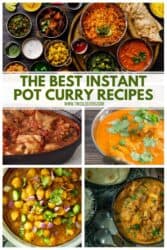
What is curry? Is curry the same as curry powder? A breakdown of different types of curries along with the best curry recipes for your pressure cooker , from all across the world.
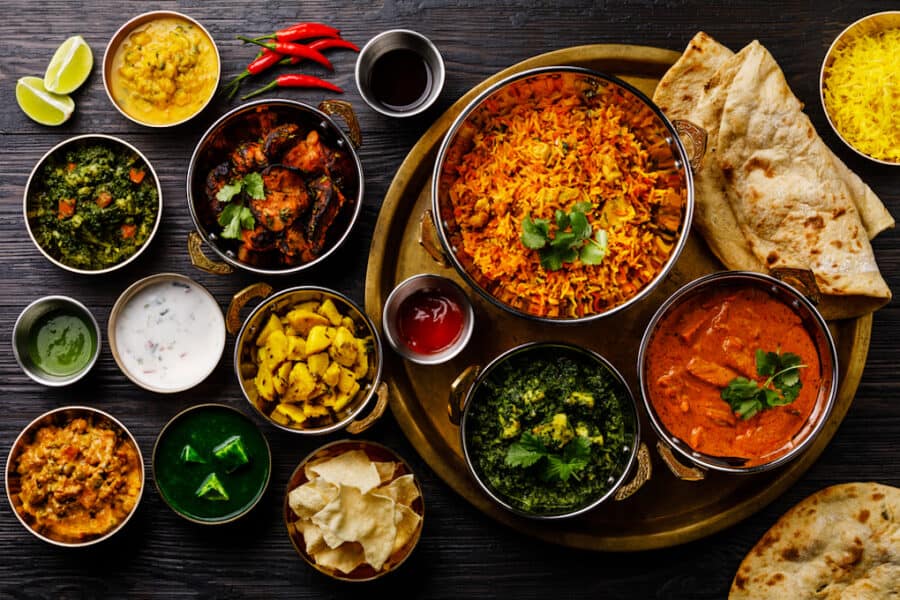
What Is Curry?
The word curry or Kari just makes sauce or gravy. So ANYTHING cooked with water, resulting in meat, vegetables, or beans covered in sauce could be regarded as a curry! Are you surprised?
I’m not making this up. Technically, anything from my 75+ Instant Pot Indian recipes can be classified as a curry. But let’s not stop there.
That beef stew you make all the time? Curry. Your favorite pot roast recipe ? Curry. Carne Guisada ? Curry.
So it’s very much a category of cooked dishes, not one cooked dish. This is why you need to stop saying, I don’t like curry. Because what you’re saying is, I don’t like anything cooked in water, with a sauce.
What is Curry Powder?
Curry Powder is a mix of spices, and that’s just the issue—you don’t know what spices others are using. Many premixed blends rely on turmeric, ground coriander, ground cumin, ground ginger, and black pepper.
But when I make any of my curries, such as butter chicken for example, or rogan josh or kheema , I’m using many more spices and aromatics than just that handful. That’s probably why they taste better than what you’ve been making with just curry powder.
Most Indians do not use what is known as curry powder in the United States or in the United Kingdom. We make our own blends, like my garam masala , the spice mix I use for the Tamarind chicken , or what’s used in the Fennel chicken.
If you check my Basic Indian curry recipe, guess what’s missing? Well, nothing actually, but you’ll notice, no curry powder.
So, do you need curry powder? Well, if you are going to make Jamaican Curry or even this Vietnamese curry , you might want it.
But for Indian curries, I don’t use it.
What’s In Curry? Different Types Of Curries
While it is possible that the word kari or curry originated in India (kari is Tamil for sauce or gravy), it has since become the province of many different South Asian countries.
Curries have also morphed over time. Once the Spanish and Portuguese started trading with India, they brought red chili peppers. Before that, Indian Curries relied largely on black pepper for heat. This is still quite common in many South Indian curries.
What’s in a curry will vary by the cook, and by the country. Just a few examples below–and I am guilty of gross over-simplification and generalization in this list but hopefully, it’s still helpful for you.
Ceylon or Sri Lankan Curries often toast spices, and then add a mixture of coconut and lime for a creamy and tart flavor
Curry Puffs whether Jamaican , African , Singaporean, or Indian often use meat that has been cooked dry in a curry-like base, warming spices and aromatics, and then baked in puff pastries. The flaky pastry combined with the well-spiced meat is very addictive!
Indian Curries North Indian Curries usually have a mix of onion, ginger, garlic, and tomatoes, as their base along with spices, meats, and vegetables Rajasthani Curries, the most popular of which is laal mas (literally, red meat) are spicy, and use a lot of Kashmiri Red Chilis for both flavor as well as color. In contrast, a safed maas (white meat) is a lot like my Safed Chicken Korma recipe. Kashmiri curries often have cinnamon, nuts, raisins, and lots of Kashmiri chilis South Indian curries often have coconut milk, black pepper, and a variety of other spices.
Jamaican curries use a specific curry powder that’s is heavy on the turmeric, and tastes quite different from Indian Curries. They often contain vinegar and Worcestershire sauce for a tangy sour taste. Scotch bonnet or habaneros are often included for heat.
Japanese curries often use curry paste blocks, and kare raisu (curry rice) is a very popular dish.
Malaysian curries like my rendang result in a dry curry with all of the water from the coconut milk evaporated, leaving tender meat coated with a deliciously thick, spicy, sweet, and tangy paste. SO good!
South African or Durban Curry, often includes potatoes and may be served as Bunny Chow, by emptying out a loaf of bread, and filling the bread bowl with the curry.
Thai Curries may have coconut milk, galangal, lemongrass, and magrut lime leaves. They usually do not contain cumin and coriander, like many Indian curries. But lest we over-generalize let me point out that there are many different types of Thai Curries, including the examples below: Thai Green Curry Thai Massaman Curry Panang curry Thai Red Curry
Vietnamese curry like this bo kho recipe , have a lovely combination of garam masala as well as things like star anise
What Does Curry Taste Like?
This is a lot like asking, what does soup taste like? It depends on the country, the cook, the type of curry, and the ingredients you use.
But I think it’s fair to say that most of them taste complex, because they do have so many different aromatics and spices in them.
Is Curry Spicy?
They can range from creamy like this Thai green curry , to spicy like the Vindaloo, to a creamy spicy deliciousness like butter chicken.
Not all curry is spicy, and if you are making homemade curry of course, you can vary all spice levels, not just heat, to your preference. This is the main reason why I urge people to make homemade curries—so you can adjust the flavors and heat to your preference.
So, before you say “I don’t like curry”, remind yourself that it is akin to saying I don’t like anything cooked with water.
Maybe, you just haven’t had the right curry for YOU yet. This list of the best instant pot curries will fix that for you!
So to help you in your culinary journey, I’ve created a list of the best curries for your pressure cooker. Be sure to pin this, and share it with your friends.
Why Instant Pot Curry?
So, that’s a good question! Why not make it the old fashioned way, on a stovetop? Here’s why I like using my pressure cooker for curries.
- Because it’s Faster . You can skip many browning steps in pressure cooker curries, since the pressure cooker creates a Maillard reaction without pre-browning.
- Most importantly, better flavor. Pressure cooking allows you to infuse flavor as nothing else can. All the juices and flavors, as well as the aromatic compounds from meats, spices, and vegetables, are contained in the Instant pot during cooking.
- Tender meat. Tender, braised meat is a hallmark of pressure cooking–and also a sign of a great curry recipe.
The Best Instant Pot Curry Recipes
Love Curry? You’ll love how quick and easy it is to make in your Instant Pot! With no time at all, you’ll have your favorite comfort food on the table with little effort at all!
Easy Indian Curry Recipes | Pressure Cooker Indian Curry
South Indian Chicken Curry | Pressure Cooker Coconut Tamarind Chicken Curry
Here’s an easy South Indian style chicken curry that uses coconut milk and tamarind for a tangy, creamy flavor that is just divine. It’s a pour and cook recipe for a pressure cooker chicken curry that comes together in just minutes–leaving you more time to eat this!
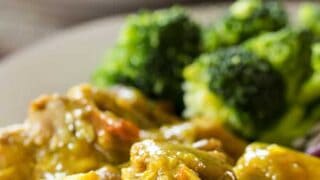
Jamaican Chicken Curry
Use your Instant Pot or pressure cooker to make this amazing Jamaican Chicken Curry. This Jamaican curried chicken is spicy, authentic, and finished in just 20 minutes!
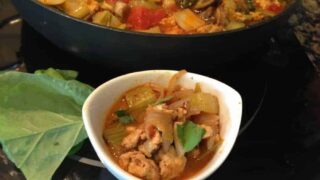
Panang Curry | A Delicious Thai Curry Recipe!
I made myself a deal. If only I’d take some time this weekend to cook instead of work, I’d allow myself a little latitude with using packages and premade sauces. Just so long as I used fresh meat and vegetables and got something yummy together. So I decided to start with Panang Curry. I got my ingredients together and decided to use a canned panang paste to make things easier.
Fish Saag | Pressure Cooker, Low Carb and Gluten Free!
In addition to being delicious, this Fish Saag recipe is also good for you. It’s full of spinach, warm spices, and coconut milk and is not only a balanced meal, but is also dairy-free, gluten-free, and Keto friendly.
Pressure Cooker Rice and Dal
Pressure Cooker Rice and Dal is Indian comfort food made easy. Once you learn how to make rice and dal at the same time in your Instant Pot, putting together a nutritious dinner will be easy as—well as rice and dal!
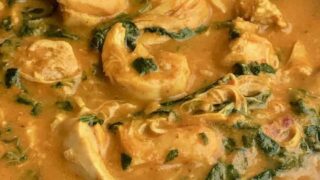
Instant Pot Indian Chicken Curry with Spinach & Yogurt
Here’s an easy, low carb, high protein Instant Pot Indian Chicken Curry that cooks in under 15 minutes in your Instant Pot. So there’s this slow cooker chicken curry that’s my favorite way to make and eat chicken curry.
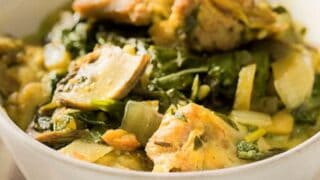
Chicken Curry Soup
Thai Curry Soup
Low Carb Thai Curry Soup that uses curry paste, coconut milk, and some fresh vegetables to provide a savory, comforting twist on regular chicken soup. Use your Instant Pot to make this even faster!
Instant Pot Indian Beef Curry
Use your Instant Pot to make amazing Indian Beef Curry! It’s tender and delicious and makes an awesome meal.
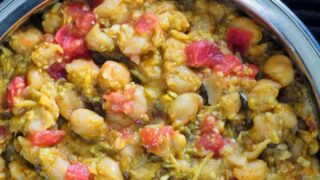
Instant Pot Coconut Chickpea Curry
This Instant Pot Coconut Chickpea Curry recipe is an easy and delicious vegan recipe that’s SO very good. Make it easily right in your pressure cooker or slow cooker.
Instant Pot Fish Saag | Fish Curry
I’ve seen so many comment threads on Facebook of people who are against cooking seafood in their pressure cooker because they’re afraid of over-cooking. The thing is, seafood in the Instant Pot is amazing and is so simple. I love this Fish Saag recipe because it’s creamy and cooks so quickly.
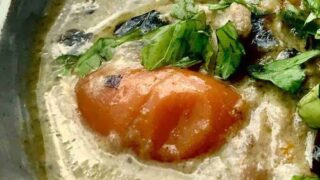
Thai Green Curry | Pressure Cooker & Slow Cooker Recipe
Instant Pot Slow Cooker Thai Green Curry is a perfect, authentic Thai curry with chicken and vegetables. Makes a fragrant, aromatic dish that hits the spot.
Thai Yellow Curry Baked Chicken Thighs
This Yellow Chicken Curry is full of wonderful Thai flavors and comes together quickly, so it’s perfect for a weeknight meal. It’s also a little unusual because I baked the chicken in the oven and air fryer rather than cooking it stovetop, or in an Instant Pot. It’s a great hands-off meal and it’s yet another low carb chicken recipe to add to your weekly rotation.
Instant Pot Chicken Tikka Masala
This is the best Instant Pot Chicken Tikka Masala recipe you will find. Make an authentic Tikka Masala recipe, with very little work, in your electric pressure cooker.
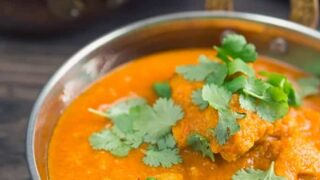
Chicken Vindaloo
Make an authentic Chicken Vindaloo in your Instant Pot or pressure cooker in minutes rather than hours! It’s easy to make, keto and gluten-free!
Malaysian Beef Rendang | Cheater Instant Pot Recipe
Make the curry to beat all curries with this cheater Malaysian Instant Pot Beef Rendang recipe! It’s fall-apart tender, and absolutely delicious–but best of all? Ready in under an hour.
Carne Guisada | Instant Pot Mexican Beef Stew Recipe
Carne Guisada has always been one of my favorite dishes to order at a Mexican restaurant, so I made my own version for the Instant Pot! It turned out fantastic and tastes absolutely authentic!
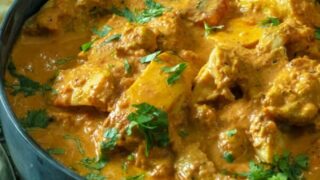
Instant Pot Butter Chicken + Video
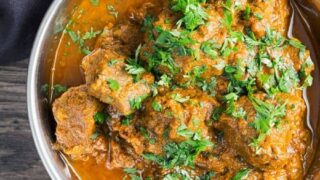
Lamb Rogan Josh
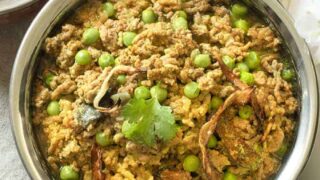
Instant Pot Keto Indian Kheema | Indian Ground Beef Recipe
This Instant Pot Keto Indian Kheema Recipe is an easy family-friendly keto dish that’s gluten-free, keto, paleo and done in under 30 minutes.
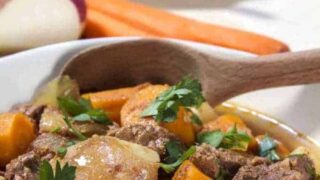
Instant Pot Low Carb Vietnamese Bo Kho
One-Step Instant Pot Low Carb Vietnamese Bo Kho Stew recipe for a hearty and fragrant soup!
Japanese Chicken Curry | Instant Pot Recipe
Make a quick but authentic Japanese Chicken Curry in your Instant Pot. Just four minutes under pressure in your pressure cooker for a flavorful and hearty meal. I can’t believe how quickly this came together!
Want moreamazingIndian Instant Pot recipes?
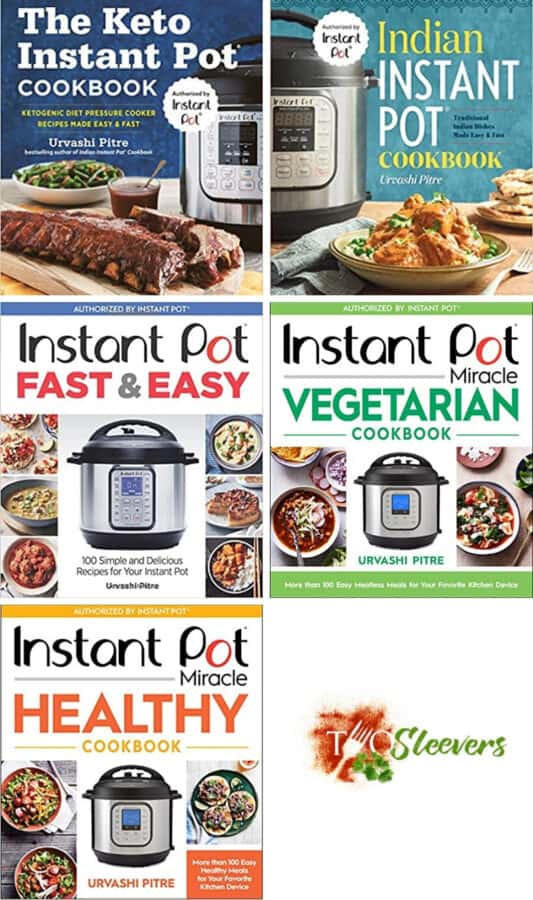
Don’t forget to check out my otherBest-selling Instant Pot Cookbooks!
Indian Instant Pot , Keto Instant Pot, Instant Pot Fast and Easy , Healthy Instant Pot & Vegetarian Instant Pot .
Originally Published July 11, 2019
If you already signed up, you should have received an email with a password to give you unlimited access to our FREE Printable Library. The password is case sensitive. Enter it below and get printing!
Password:
Are you trying to lose weight through a low carb or keto lifestyle but you’ve hit a weight loss plateau you can’t seem to overcome? My guide on How to Break a Weight Loss Plateau on a Low Carb Diet will help you get out of that weight loss rut!
What to do when you hit a weight loss plateau and stop losing weight
It’s happened to most of us; we start a keto way of eating, and once we’ve hit ketosis we watch the weight drop off. Many of us have tried countless other diets and have struggled with our weight for years and watching the numbers on the scale finally go down is like a dream come true.
And then you stop losing.
No matter how strict you are on your diet, no matter how much you count every calorie and macros you can’t shed another pound.
This is called a plateau and frankly, it sucks. It’s frustrating and demoralizing and discouraging, but it doesn’t have to mean that it’s the end of your weight loss journey.
In this article we’ll discuss how to tell if you’ve hit a plateau and what you can do to break through it.
How to tell if you’re in a weight loss plateau
It’s important to keep in mind that after a significant weight loss your body will take some time to stabilize itself. This is an example of our bodies’ survival coping mechanisms kicking in to reset and protect itself.
This can last for up to 3 months, depending on how drastic your weight loss was.
Yes THREE MONTHS! In other words, not losing for a week or two or three weeks is NOT UNUSUAL. Seriously. It’s not.
The Whoosh Effectin Weight Loss
There is a phenomenon that occurs when you lose weight and is also referred to as LTDFLE (Long-Term Delayed Fat Loss Effect).
This happens when your body empties its fat cells of triglycerides as they get burned up for energy and fill up with water. So you might not look different and might weigh the same because of the water, but you will have less fat because your cells are filled with water and not fat.
After a bit (it’s different for everyone; can be a few days or many weeks), your fat cells will suddenly drain their temporary water storage and you will experience a whoosh that makes you feel slimmer and lighter immediately.
So give your body a little time to adjust to its new self, and go through the whoosh effect, but if your weight-loss stall lasts more than 3 months and you’re doing everything you’re supposed to, then you’ve most likely hit a weight loss plateau.
What you Can do to Break Through a Weight Loss Plateau
1.Make sure you’re measuring the right thing
- If you have started working out or even have just increased your protein intake you will begin to build lean muscle.
- Muscle weighs more than fat so while the numbers on the scale might not change (or even increase), focus on the non-scale victories ; do your clothes fit better, do you feel better, do you have more energy and focus?
- Additionally, while in the long-term exercise could help you lose weight, in the short term if you’ve recently just started exercising or resumed exercising after a long hiatus, your body could experience some inflammation. Give it some time to get used to your new level of activity.
2.Goback to the basicsand start tracking your macros again.
- Once we’ve been on a keto diet for a while, we can often become comfortable and stop being as diligent in tracking our macros as we were when we began.
- Remember your macros should be 75% fats, 20% protein and 5% carbs to get into and remain in ketosis. These ratios can get out of whack if we let things slowly creep into our daily intake.
3.Track your calories
- I wish I were one of those lucky people who doesn’t have to consider calories on a keto diet, but unfortunately, like many people who have struggled with weight loss, I’m not.
- I’ve also found that women struggle with caloric intake much more than men do. So perhaps your macros are in balance and you’re simply taking in too many calories. It’s worth looking at again.
- On the other hand, if you have cut your calories down too low your metabolism will slow down to accommodate.
- This is referred to as Adaptive Thermogenesis and is a way our bodies develop coping mechanisms to deal with adverse situations.
- In this case, you actually might have to slowly increase your calories to kickstart your metabolism.
- Remember to remain firmly within your macros when you do this.
4.Eat real Food
- Relying on processed foods can stall your weight loss even if they’re keto-friendly.
- Eating a lot of convenience-type foods like hot dogs and fast food when you’re on the run can impede your weight loss.
- These foods are nutrient-poor, meaning they’re high in calories but low in vitamins, minerals, and antioxidants.
- To optimize your nutrient intake while losing weight on the keto diet, stick to unprocessed, whole foods.
- For example, full-fat dairy products, eggs, fish, pastured meats, poultry and healthy fats like avocado and olive oil are all great choices.
- Be sure to add non-starchy veggies like greens, broccoli, peppers, and mushrooms to dishes to add nutrients and fiber.
5.Plan your meals ahead of time
- It seems contradictory that to lose weight you have to think more about your food, but if you plan out your meals ahead of time you are much more likely to stay within your macros and calories goals and less likely to grab something unhealthy or compromise your keto diet.
- I will often plan, cook and measure out my meals for the week on Sunday and then just take out the container at mealtime.
6. Consider trying Fat Bombs
- It might seem contradictory that if you’re trying to lose weight you would add high-calorie fat bombs to your diet.
- Fat bombs are loaded with fats that curb your appetite and rev up your metabolism.
- Many people report that fat bombs give them an extra boost of energy for a workout, and help them fight cravings for hours. So they just might be the boost your body needs.
- You can find over 100 fat bomb recipes in my Keto Fat Bombs, Sweets, and Treats book.
7. TryIntermittent Fasting
- I don’t recommend fasting until you’re well into ketosis, but once you are, fasting can play an important role in increasing insulin sensitivity and helping you to burn fat.
- If you haven’t tried fasting before you can start slowly with the 16/8 method which means you restrict all of your eating to 8 hours per day and fast for the other 16. You can eventually work your way up to a 24-hour fasting period with many steps in-between.
- You can also do a ‘fat fast’ and cut out all of your fat for 1-2 days to restart your metabolism.
Interested in Intermittent Fasting but unsure how it works or where to start? Check out this post onIntermittent Fasting Made Simple: A Beginners Guideand learn everything you need to know!
8. Check your dairy intake.
- Although dairy is allowed on a keto diet, some people are not able to tolerate it well and it will cause inflammation.
- Try cutting it out of your diet for a week to see if you feel better and start to lose weight again.
9. Check your alcohol intake.
- Whether or not to drink alcohol (even low or no carb) on a keto diet is often debated, but what is not in debate is the fact that your body will burn alcohol before it burns fat.
- If you’re drinking on a regular basis, this could be the reason you’re not losing weight.
10. Make sure you’re getting adequate sleep.
- Research shows that stress and lack of sleep can negatively impact weight loss. When your body is stressed, it produces excess amounts of a hormone called cortisol and elevated levels of cortisol, commonly known as the stress hormone, can encourage your body to store fat, especially in the belly area.
- Some of my toughest times for weight loss came when I was working and traveling too much and stressed out all the time.
- You can lower stress and improve your sleep by trying techniques like meditation or yoga and spending less time on electronic devices before bed.
Looking For More Low Carb Weight Loss Guides?
- My guide on How to Start Keto A Keto Diet gives you all the info and resources you need in order to start living a keto lifestyle.
- My Keto Basics guide gives you a list of 11 things that I consider weight loss basics (or keto basics) that help me lose a regain.
- My How To Calculate your Macros for a Keto Diet guide explains macros for a keto diet. I’ve also included a calculator for you to determine the right proportions of macros as you determine how to get into and stay in ketosis.
NO excuses!
Let me tell you what a weight loss plateau is.
It’s NORMAL. It happens to everyone.
Let me tell you what a weight loss plateau is NOT.
It’s NOT an excuse to give up, to throw in the towel, to eat everything in sight.
I want you to read this part carefully.
You do NOT control how fast your body chooses to lose weight. You only control what you do, or do not put into your mouth. Urvashi Pitre
Yup, that’s right. Your body has..excuse the silly expression…a mind of it’s own.
Just keep doing the right thing, don’t lie to yourself about where you are screwing up, and the weight will come off when your body is ready to shed it.
I hope that one or a combination of these tips will help you break through that weight loss plateau. Please report back and let us know what worked!
